


Table of Contents
Namibia is a country that surprises at every turn: endless desert dunes, wildlife, ancient tribes, and otherworldly landscapes. But beyond its beauty, Namibia hides many curiosities that will leave you speechless.
If you're planning a trip to Namibia or simply want to learn more about this incredible destination, here are 16 surprising facts about Namibia that will make you see this country in a new light.
Our guide to traveling to Namibia
If you're planning your trip to Namibia, I recommend reading our ultimate Namibia travel guide . It's one of those destinations that has left a lasting impression on us, a country that surprises at every turn and where every experience is unforgettable. I'll share our entire route, practical tips, and lessons learned so you can enjoy it to the fullest.
IMPORTANT TIP : Don't travel to Namibia without good travel insurance . Seriously. The distances there are enormous, private healthcare is expensive, and if something happens in the middle of a national park or in a remote area, helicopter evacuation can cost a fortune. After thoroughly comparing different options, we chose IATI Estrella , which is the only one with over one million euros of medical coverage—crucial in destinations where any unforeseen event can multiply the costs. IATI also offers 24/7 Spanish-language support and an app for online medical consultations, which was incredibly useful during our trip. Here's our link with a 5% discount on any IATI travel insurance policy. If you're going to Namibia, it's truly worth traveling with peace of mind.
About us
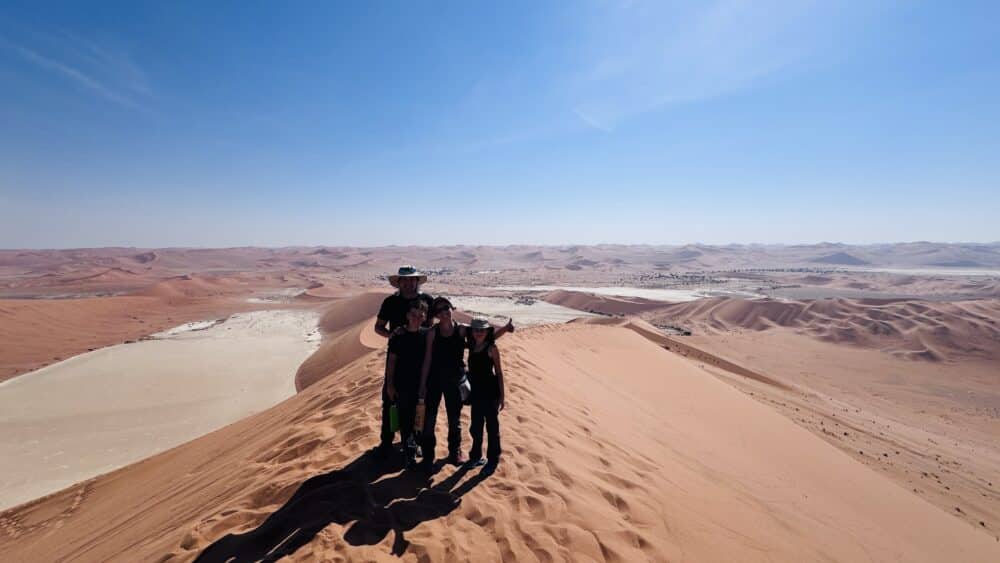
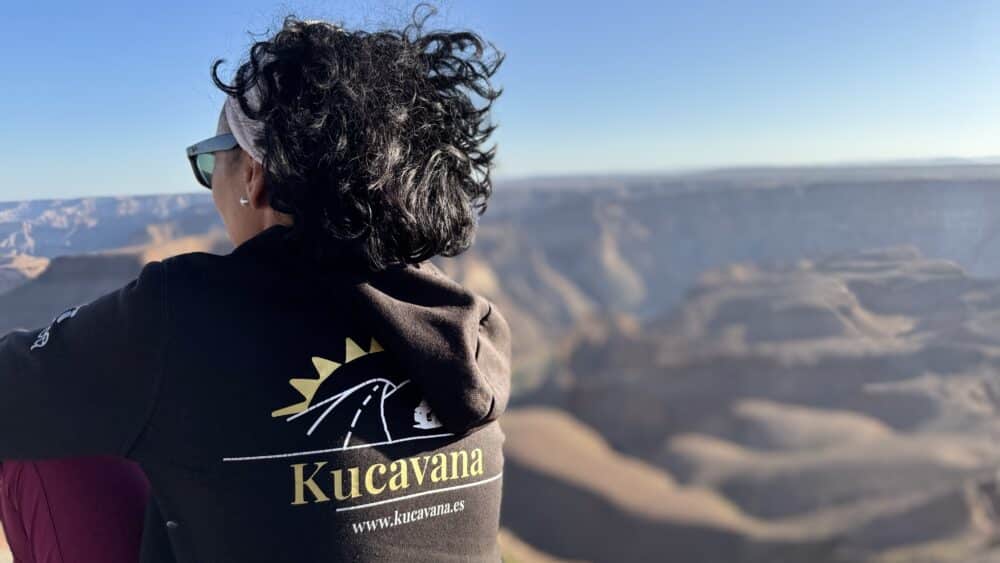
We are the Kucavana family , and we travel with our two children and our adopted dog, Max. We usually travel in our motorhome, also called Kucavana, hence the name of our blog (as a baby, Anna couldn't pronounce "motorhome" and said "Kucavana"). But we also enjoy traveling by bicycle, by plane, and backpacking—the point is to have adventures as a family. The one writing this is me, Pilar, the mom of the family and perhaps the craziest one. I enjoy every new experience we have as a family, and I hope to help you enjoy traveling as much as we do.
To stay connected with you, follow us on our social media channels: YouTube and Instagram
1. Namibia is the second least populated country in the world
Namibia has an area of 825.615 km² , almost twice the size of Spain, but only 2,5 million inhabitants . This makes it the second least populated country on the planet , after Mongolia.
If you're looking for endless landscapes without seeing anyone for miles , Namibia is the perfect destination.
2. The Namib Desert is the oldest in the world
The Namib Desert , which gives the country its name, is over 55 million years old . It is the oldest desert in the world and one of the most spectacular, with giant dunes like the famous Dune 45 or the imposing Big Daddy , which rises to over 325 meters.
3. In Namibia there is a forest of dead trees that are 900 years old
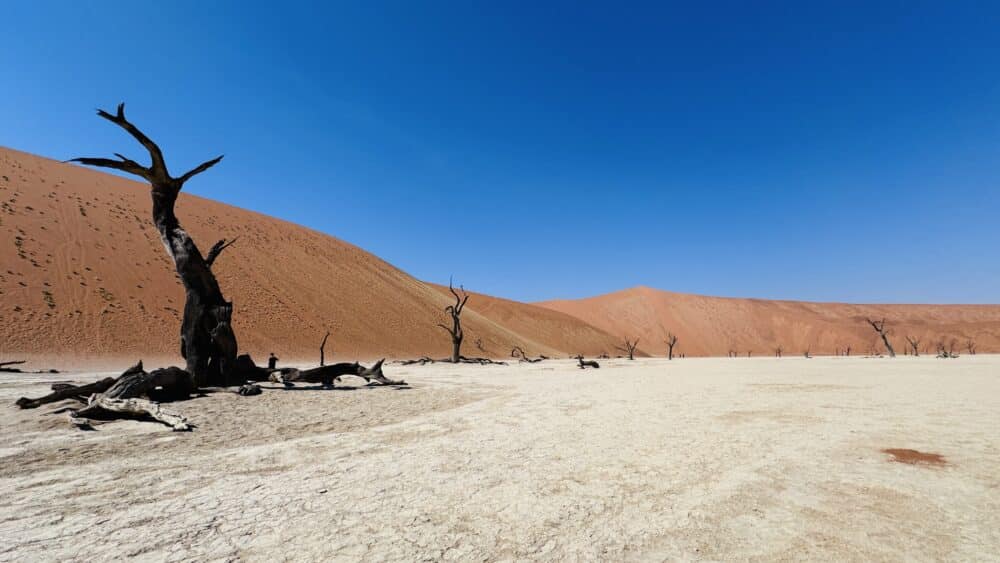
One of Namibia's most impressive landscapes is Deadvlei , a white clay valley where the skeletons of acacia trees that have been dead for over 900 years can be found.
The extremely dry climate has prevented its decomposition, creating a surreal landscape that looks like it's from another planet.
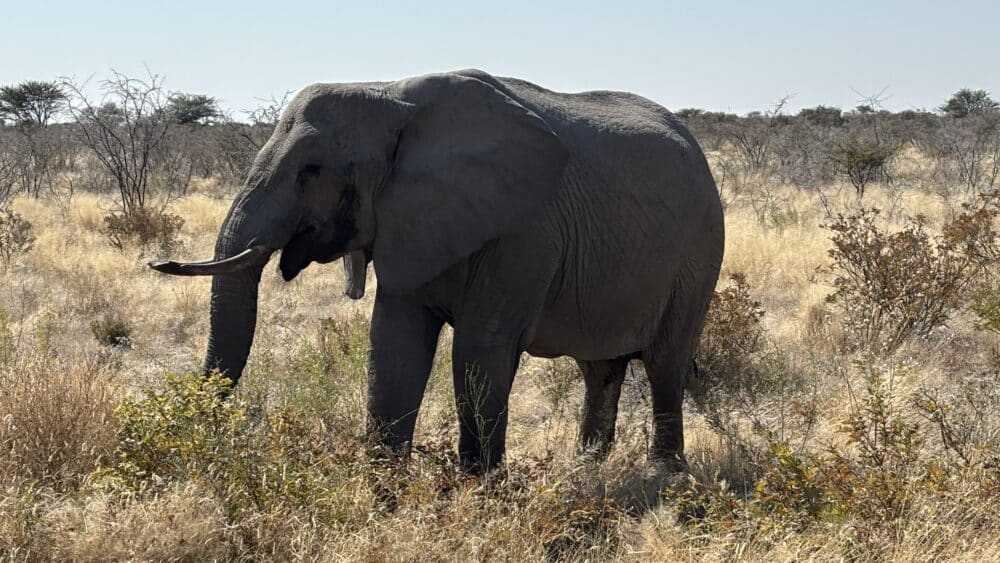
4. Namibia is the only country where elephants and lions have learned to live in the desert
In northwestern Namibia, in the Damaraland and Kaokoland region , elephants and lions have adapted their behavior to survive in the desert.
Elephants in the Namib Desert travel up to 70 km a day in search of water, and desert lions have learned to hunt in arid terrain, something unique in the world.

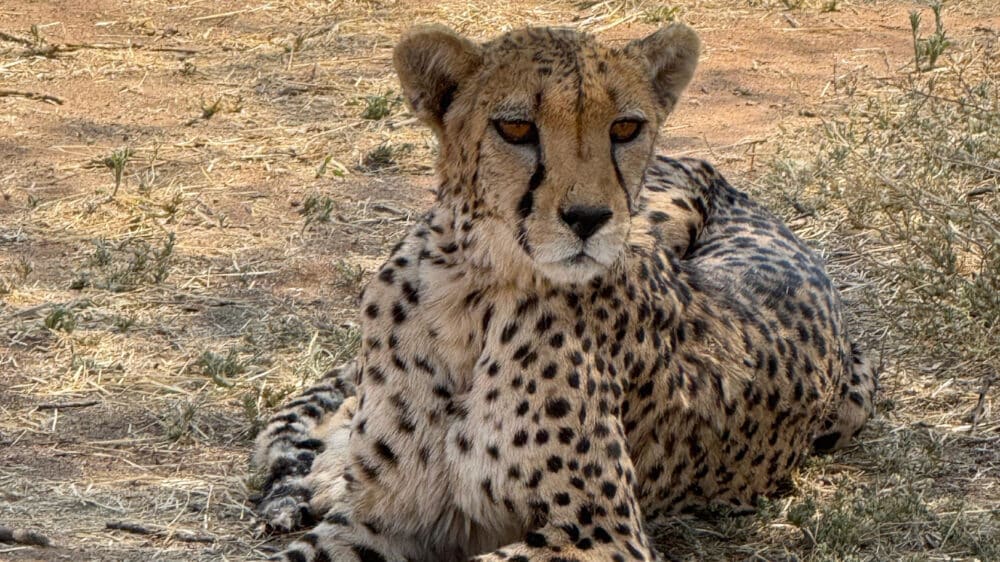
5. Namibia has the second largest cheetah population in the world
Namibia is one of the best places on the planet to see cheetahs in the wild . The country is home to more than 3.500 cheetahs , making it the second country with the largest population of these felines , second only to South Africa.
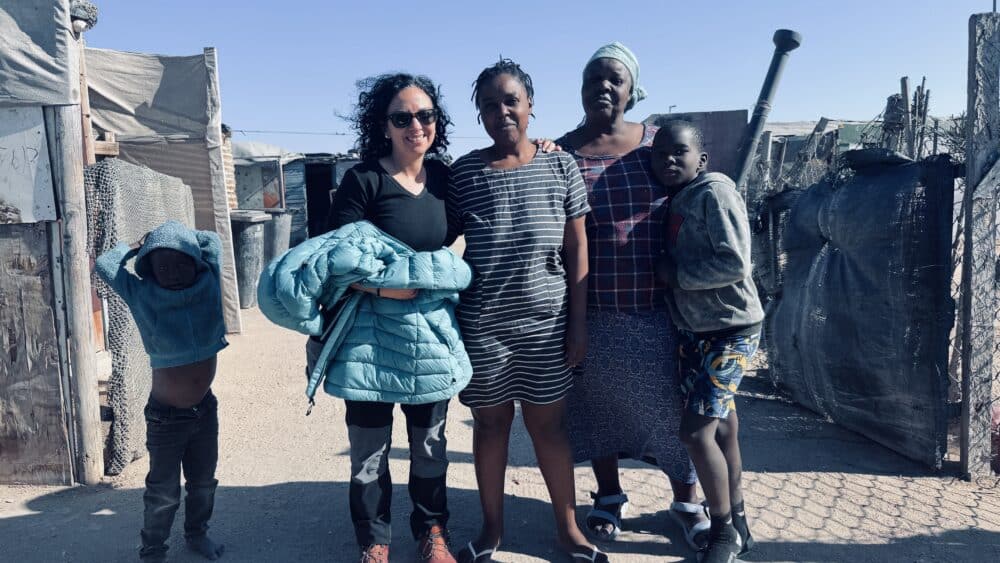
6. Namibia is home to 10 fascinating tribes (and some have surprising customs)
Namibia is an incredibly diverse country, with 10 main tribal groups , each with its own distinct culture, language, and traditions. From nomadic pastoralists to hunter-gatherers with click languages, these communities maintain a unique way of life that will leave you in awe.
1. Ovambo (50% of the population)
They are the majority ethnic group and live in the north of the country. They are primarily farmers and are skilled in wood and metal crafts . They speak Oshivambo.
2. Herero
Famous for the colorful Victorian dresses worn by the women, inherited from the German colonial era. They are traditionally nomadic shepherds.
3. Himba (the tribe that doesn't bathe with water, but always smells good)
The Himba live in northwestern Namibia and are known for their reddish skin, a result of covering themselves with otjize , a mixture of fat and iron oxide powder that protects them from the sun and repels insects.
The most surprising thing is that they don't bathe with water , due to its scarcity in the region. Instead, the women perform a smoke bath : they place aromatic herbs over hot coals and cover themselves with a blanket, letting the smoke envelop them. This method eliminates bacteria and sweat and leaves a pleasant aroma on their skin and clothes . A lesson in sustainability in the middle of the desert!
4. San (Bushmen, the masters of tracking and the language of clicks)
One of the oldest groups in the world, with over 20,000 years of history in Namibia . They are expert hunter-gatherers and speak languages with click sounds , something virtually impossible for Westerners to pronounce.
5. Damara
They have a mysterious history and a click-like language. They are primarily engaged in mining and agriculture.
6. Name
Like the Damara and the San, the Nama speak a click language and have a rich tradition of music and dance.
7. Kavango
They live on the banks of the Kavango River and are experts in fishing and agriculture.
8. Caprivianos (or Mafwe, Fwe and Subia)
They live in the Caprivi Strip, an area of rivers and wildlife. They are skilled at building wooden canoes.
9. Tswana
Originally from Botswana, they have a strong tradition of cattle ranching and tribal leadership.
10. Whites and mixed race (baster and Afrikaner)
Descendants of European settlers, mainly German and Dutch. They preserve customs such as Afrikaans and traditional Boerewors (South African sausage) cuisine.
Namibia is much more than spectacular landscapes; it's a cultural mosaic full of amazing customs. Every tribe has a unique story to tell!
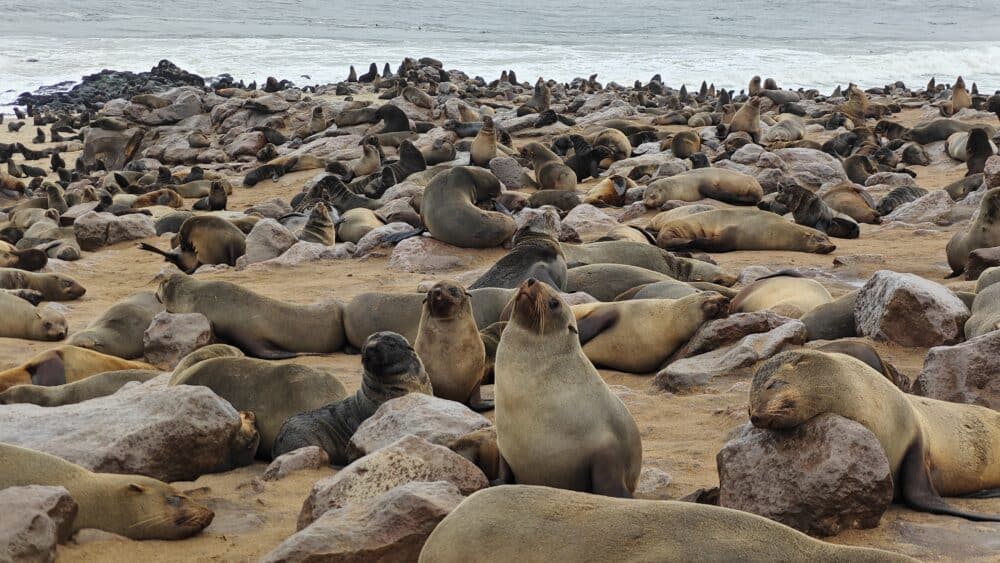
7. Namibia has the largest colony of seals in Africa
On the Namibian coast, in places like Cape Cross , you can see one of the world's largest colonies of seals , with more than 100.000 individuals.
The show is incredible, although the smell can be a bit… intense.
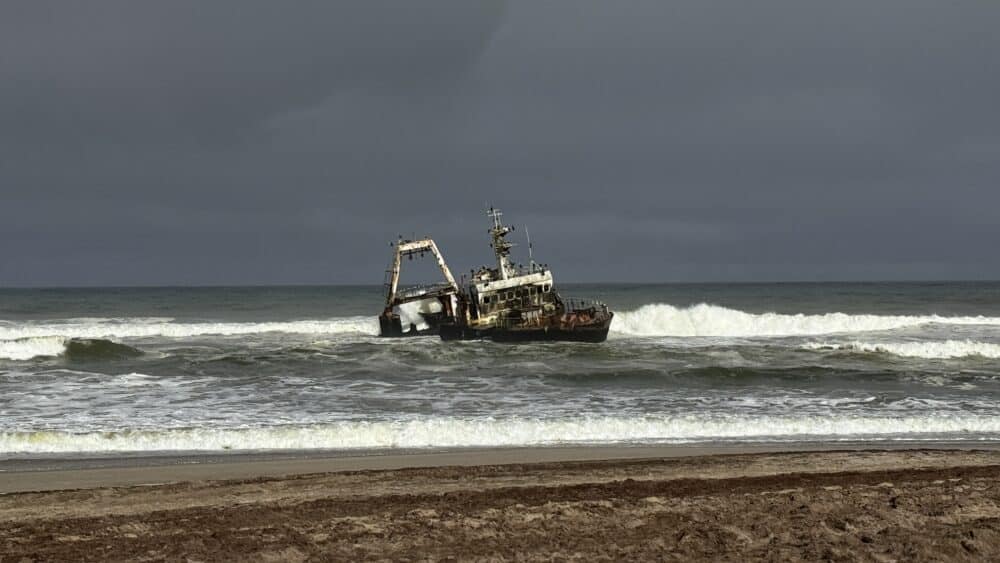
8. The world's largest ship skeleton is on the Skeleton Coast
The Skeleton Coast is one of Namibia's most inhospitable and mysterious areas. Its name comes from the hundreds of shipwrecks that litter its beaches.
One of the most impressive remains is the Eduard Bohlen , a German ship that ran aground in 1909 and is now 500 meters inland , due to the advance of the desert.
9. Namibia is the only country in the world with a constitution that explicitly protects the environment
When Namibia gained its independence in 1990, it included in its constitution an article stating that the conservation of biodiversity is a national priority.
Thanks to this, Namibia has developed a pioneering model of sustainable tourism and protected areas , which has allowed the recovery of species such as the black rhinoceros.
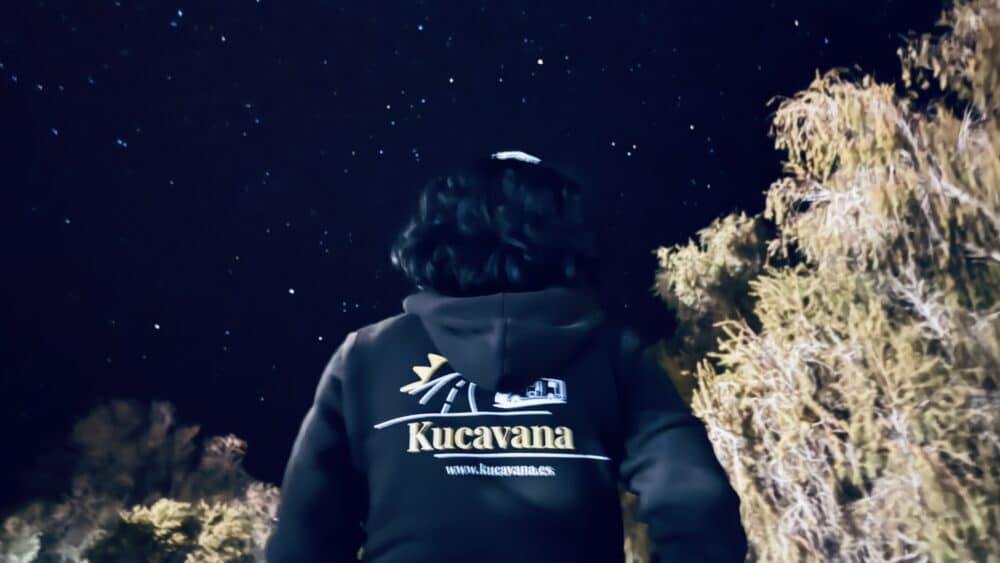
10. In Namibia you can see the most starry sky in the world
Thanks to its low light pollution , Namibia is one of the best places on the planet for stargazing.
The Namib Desert and the Damaraland region are ideal for enjoying a spectacular night sky.
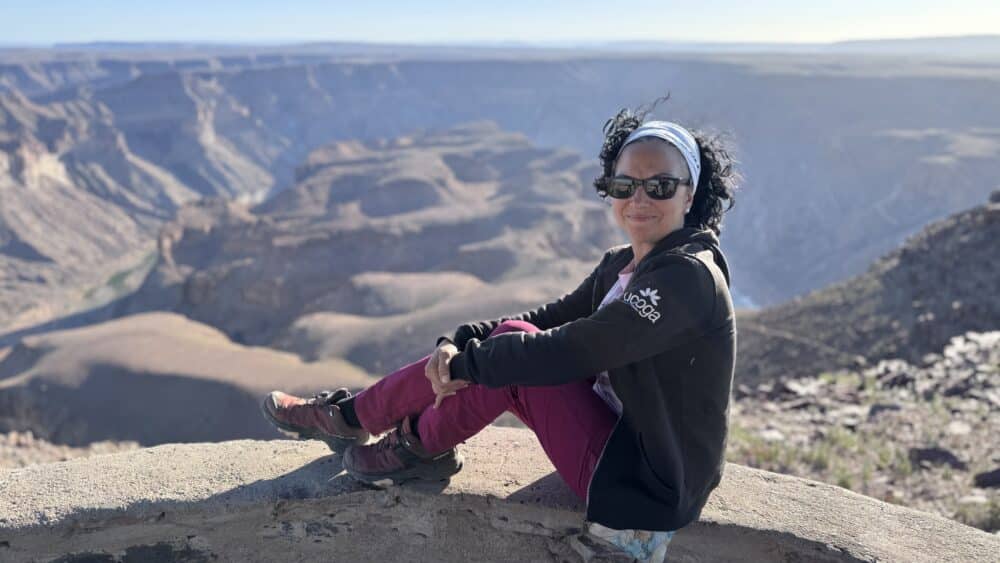
11. The Fish River Canyon is the second largest canyon in the world (and it's a canyon within a canyon)
At 160 km long, up to 27 km wide and over 500 meters deep , the Fish River Canyon is the second largest canyon in the world , only surpassed by the Grand Canyon of the Colorado.
But what few people know is that the Fish River Canyon is, in reality, a canyon within another canyon.
The structure we see today was formed in two phases: first, an ancient U-shaped valley eroded hundreds of millions of years ago. Then, over time and with changes in climate, the Fish River carved a narrower and deeper canyon within that first valley , creating the impressive formation we see today.
The result is a double canyon with geological layers up to 1.500 billion years old , making it a paradise for geologists and an incredible visual spectacle for any traveler.
If you enjoy hiking, the Fish River Canyon Trail is one of Namibia's most spectacular routes, covering 85 km along the canyon in an epic multi-day adventure.
12. The official language is English, but more than 30 languages are spoken (and some have sounds impossible for us)
Namibia adopted English as its official language after independence, but more than 30 different languages are spoken in the country , including Afrikaans , German, and several Bantu languages.
Oshivambo is the most widely spoken native language, but one of the most fascinating is juǀ'hoan , a Khoisan language belonging to the languages of the San (Bushman) peoples.
The most surprising thing about these Khoisan languages is that they include click sounds , something that doesn't exist in Spanish or most European languages. These clicks are represented by symbols like ǀ, ǁ, ǃ, and ǂ and are a fundamental part of speech.
For us, pronouncing these sounds can be virtually impossible , but for native speakers they are as natural as any other consonant. In fact, in Namibia and other southern African countries, some people's and place names include these clicks, making their pronunciation a real challenge for foreigners.
If you have the chance to hear someone speaking Khoisan in Namibia, I guarantee you'll be amazed at how different it sounds. It's like music with clicks!
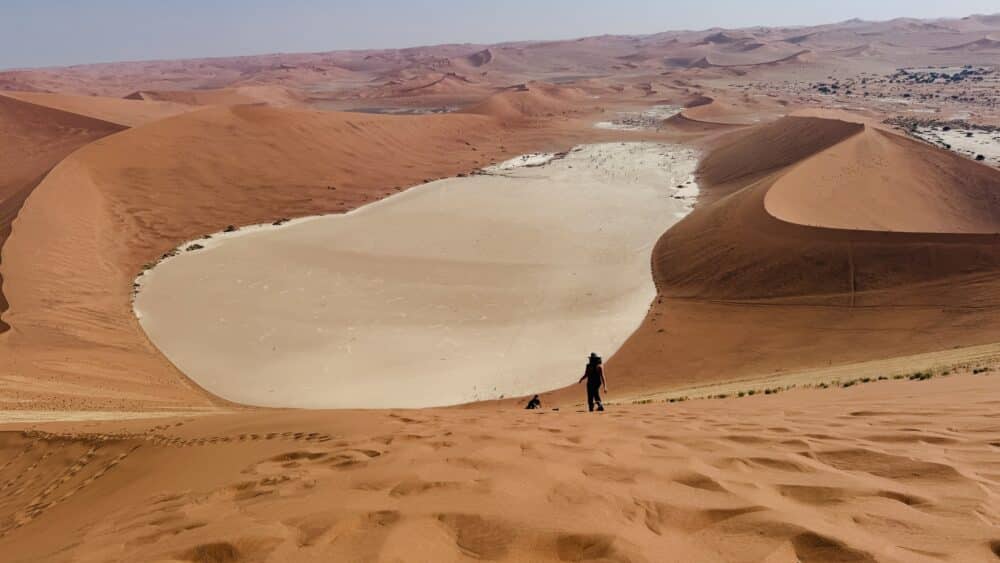
13. The sand in the Namib Desert is red due to iron oxide.
If you're wondering why Namibia's dunes have a deep red color , the answer lies in the presence of iron oxide in the sand.
The older the desert, the more intense the reddish hue of its dunes.
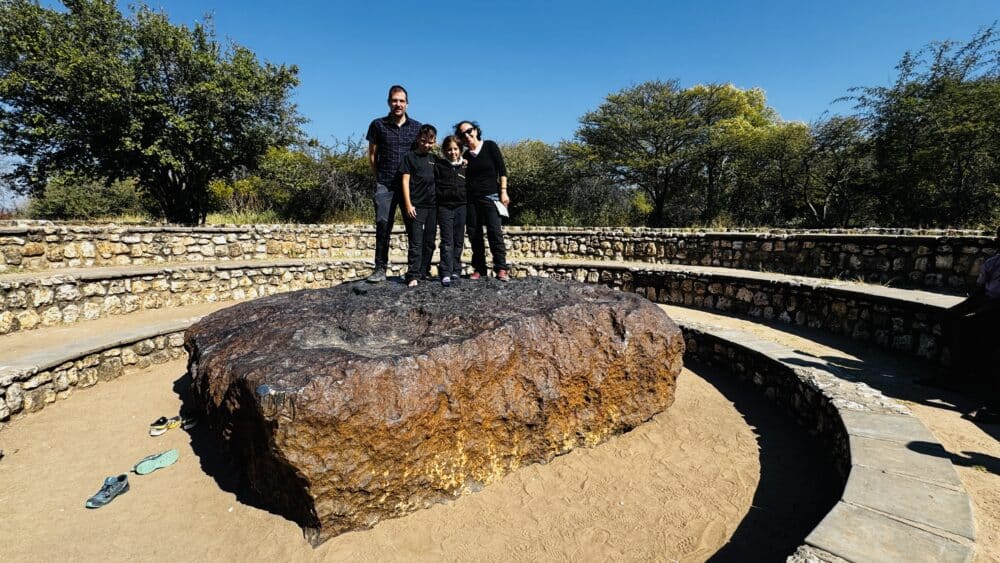
14. In Namibia there is a giant 60-ton meteorite
The Hoba meteorite , discovered in 1920, is the largest meteorite ever found on Earth.
It weighs 60 tons and is composed almost entirely of iron and nickel. You can visit it near Grootfontein.
IMPORTANT TIP: If you're traveling to Namibia, rent a 4x4 with a rooftop tent; it's undoubtedly the best option for independent travel. Asco Car, with whom we rented without any issues and highly recommend, has given us a 5% discount that you can all use by booking with them on their website and adding the discount code @KUCAVANA.
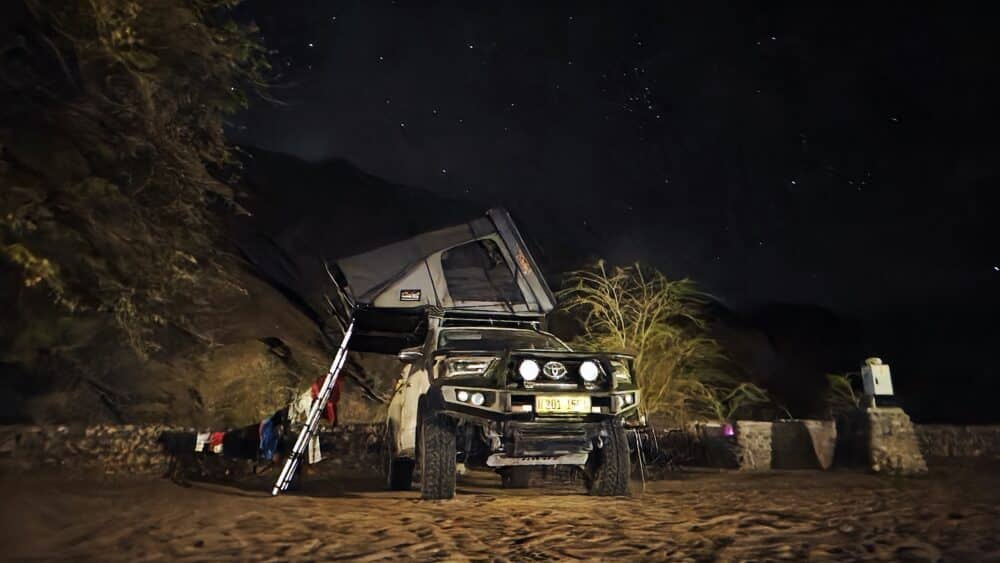
15. Namibia is a safe destination for independent travel
Despite being in Africa, Namibia is one of the safest countries on the continent for independent travel.
The roads are in good condition, the people are friendly, and crime is low, making it a perfect destination for a road trip.
16. In Namibia, they drive on the left due to its colonial past.
If you're planning a road trip through Namibia , there's something you should know: they drive on the left.
This is due to British and South African influence on the country's history. Although Namibia was a German colony until World War I, after Germany's defeat in 1915, South Africa occupied the territory and administered it for several decades.
South Africa, like the United Kingdom, had a left-hand driving system , and this rule remained even after Namibia achieved its independence in 1990.
So, if you're planning to rent a car or 4x4 to explore the country, be prepared to drive on the opposite side of the road to what's typical in Spain and many other European countries . It takes a little getting used to at first, but you'll adapt quickly on Namibia's lonely roads.
Conclusion: Namibia is a country full of surprises
As you can see, Namibia is much more than dunes and safaris . It's a country with a unique history, spectacular wildlife, and otherworldly landscapes.
If this list of interesting facts about Namibia has surprised you , imagine how you will feel when you visit it in person.
Ready to discover Namibia? Start planning your trip and get ready for the adventure of a lifetime!
Latest posts from our blog
-
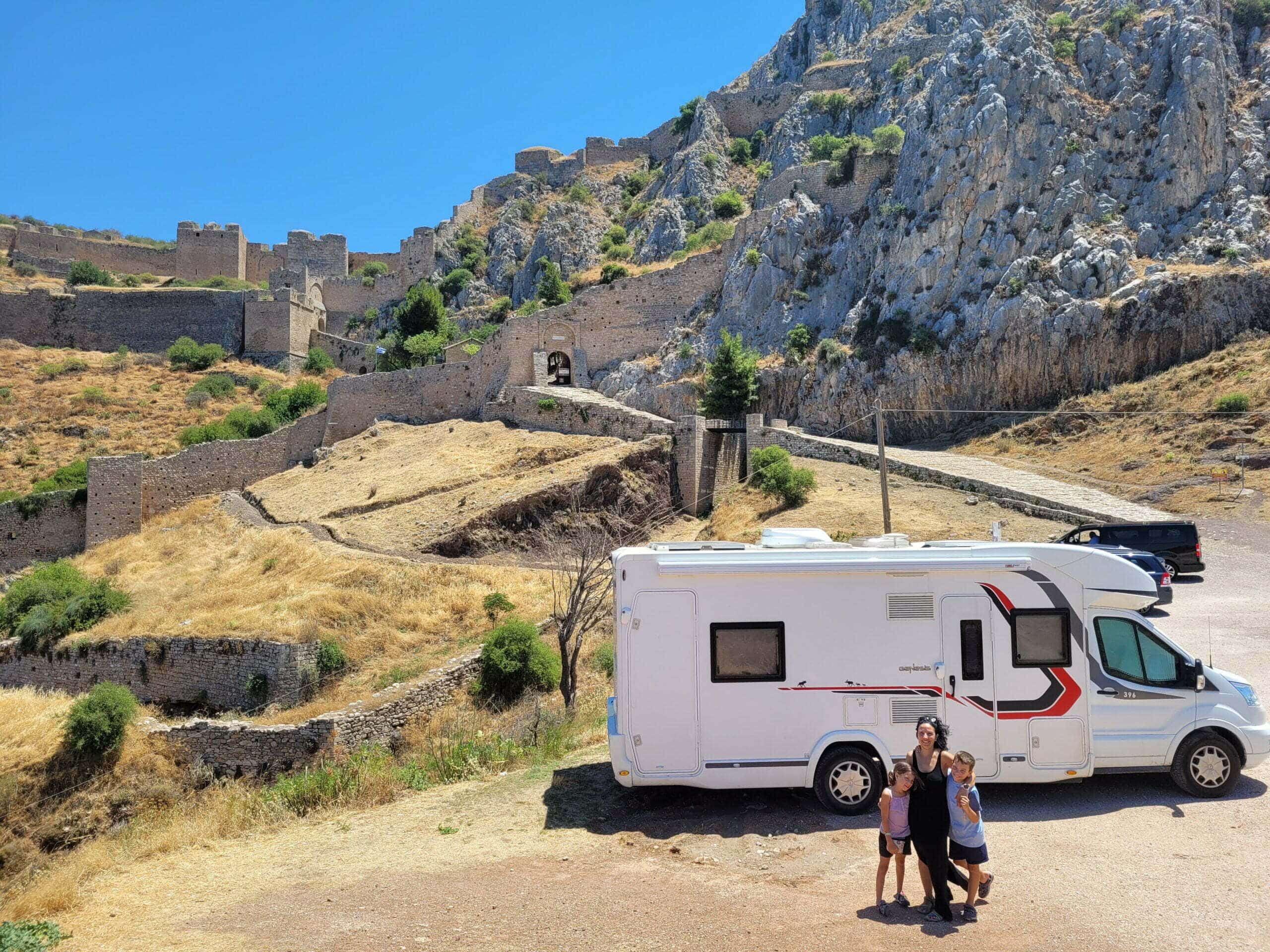
Definitive manual for traveling by motorhome【2024】
Super complete manual for traveling by motorhome with all the answers to your questions.
-
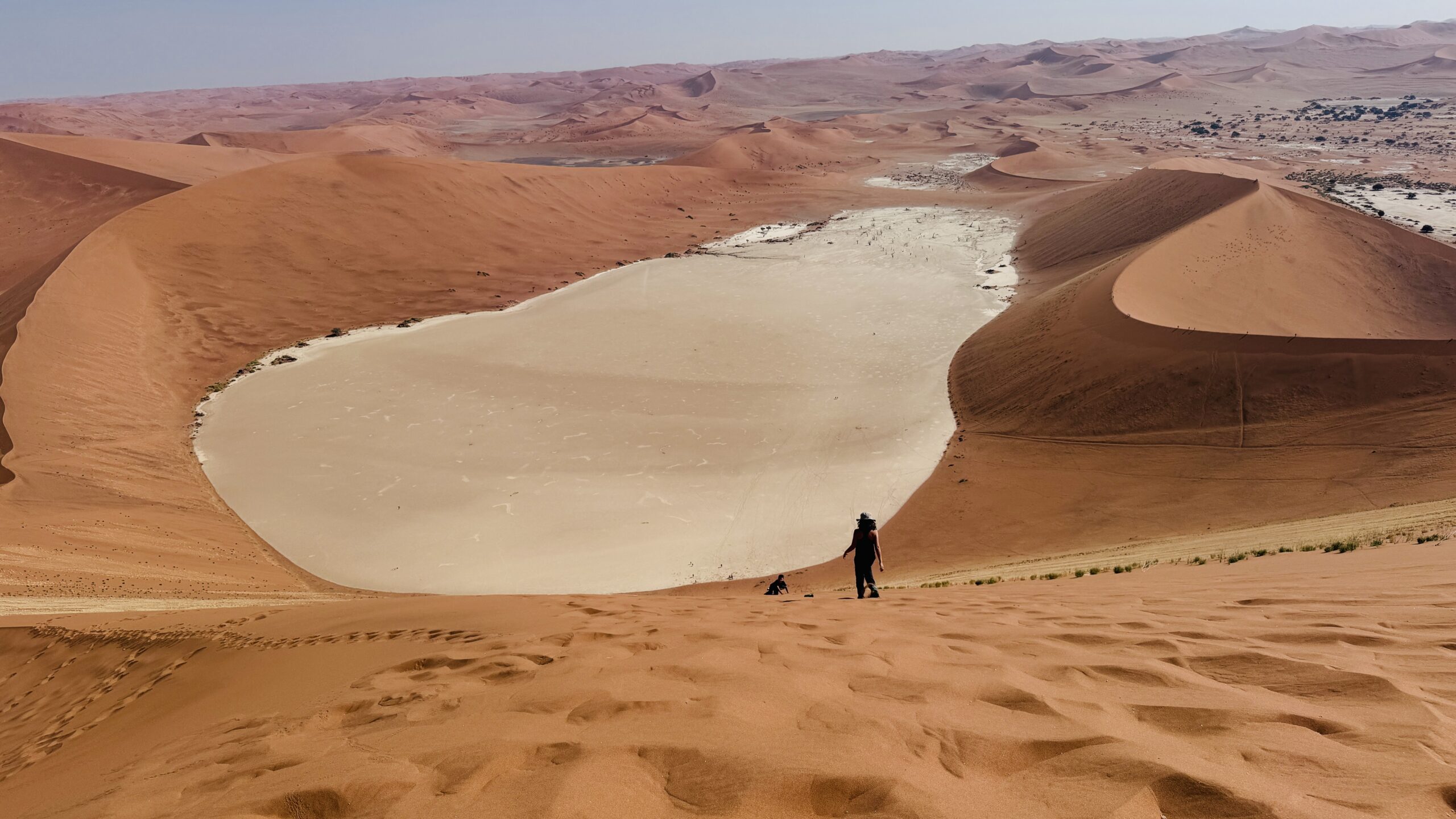
Namibia Trip: Complete Guide for Independent Travel (24-day Itinerary, What to See and Tips Based on Our Experience)
Are you thinking of planning a trip to Namibia on your own and don't know where to start? After traveling the country for 24 days as a family in a 4x4 with rooftop tents, we've put together this comprehensive guide with everything we wish we had known before our trip. Here you'll find information…
-
London with children: what to see and do as a family (royal guide with map) of the top 22 plans
If you're planning a trip to London with kids and don't know where to start, here you'll find the 22 best family-friendly activities, an optimized 3-day itinerary, money-saving tips, the best free museums, and an interactive map with all the must-see places. Basic summary: London with kids. Quick information. Recommended days: 3-5…
-
Guide to traveling to Canada: everything you need to know for a trip to Canada on your own
Welcome to a super guide for traveling to Canada from Spain or anywhere in Europe. One of our newest destinations in this wonderful world, where every trip continues to surprise us with its hidden gems. How lucky we are to have been born on Earth! How fortunate to be able to travel to Canada! Visiting Canada…


Ethical code:
On our blog you will find affiliate links. These are always placed with our highest ethics. We never publish any service or product that we have not used before and that we are sincerely happy with. That is why our recommendations are always ethical. In addition, there is no additional cost for you to book through our links and, on the other hand, it means a small commission for us that helps us maintain this blog so that you can continue enjoying it for free.
Latest posts from our blog
-
Definitive manual for traveling by motorhome【2024】
Super complete manual for traveling by motorhome with all the answers to your questions.
-
Namibia Trip: Complete Guide for Independent Travel (24-day Itinerary, What to See and Tips Based on Our Experience)
Are you thinking of planning a trip to Namibia on your own and don't know where to start? After traveling the country for 24 days as a family in a 4x4 with rooftop tents, we've put together this comprehensive guide with everything we wish we had known before our trip. Here you'll find information…
-
London with children: what to see and do as a family (royal guide with map) of the top 22 plans
If you're planning a trip to London with kids and don't know where to start, here you'll find the 22 best family-friendly activities, an optimized 3-day itinerary, money-saving tips, the best free museums, and an interactive map with all the must-see places. Basic summary: London with kids. Quick information. Recommended days: 3-5…
-
Guide to traveling to Canada: everything you need to know for a trip to Canada on your own
Welcome to a super guide for traveling to Canada from Spain or anywhere in Europe. One of our newest destinations in this wonderful world, where every trip continues to surprise us with its hidden gems. How lucky we are to have been born on Earth! How fortunate to be able to travel to Canada! Visiting Canada…
Ethical code:
On our blog you will find affiliate links. These are always placed with our highest ethics. We never publish any service or product that we have not used before and that we are sincerely happy with. That is why our recommendations are always ethical. In addition, there is no additional cost for you to book through our links and, on the other hand, it means a small commission for us that helps us maintain this blog so that you can continue enjoying it for free.