

Table of Contents
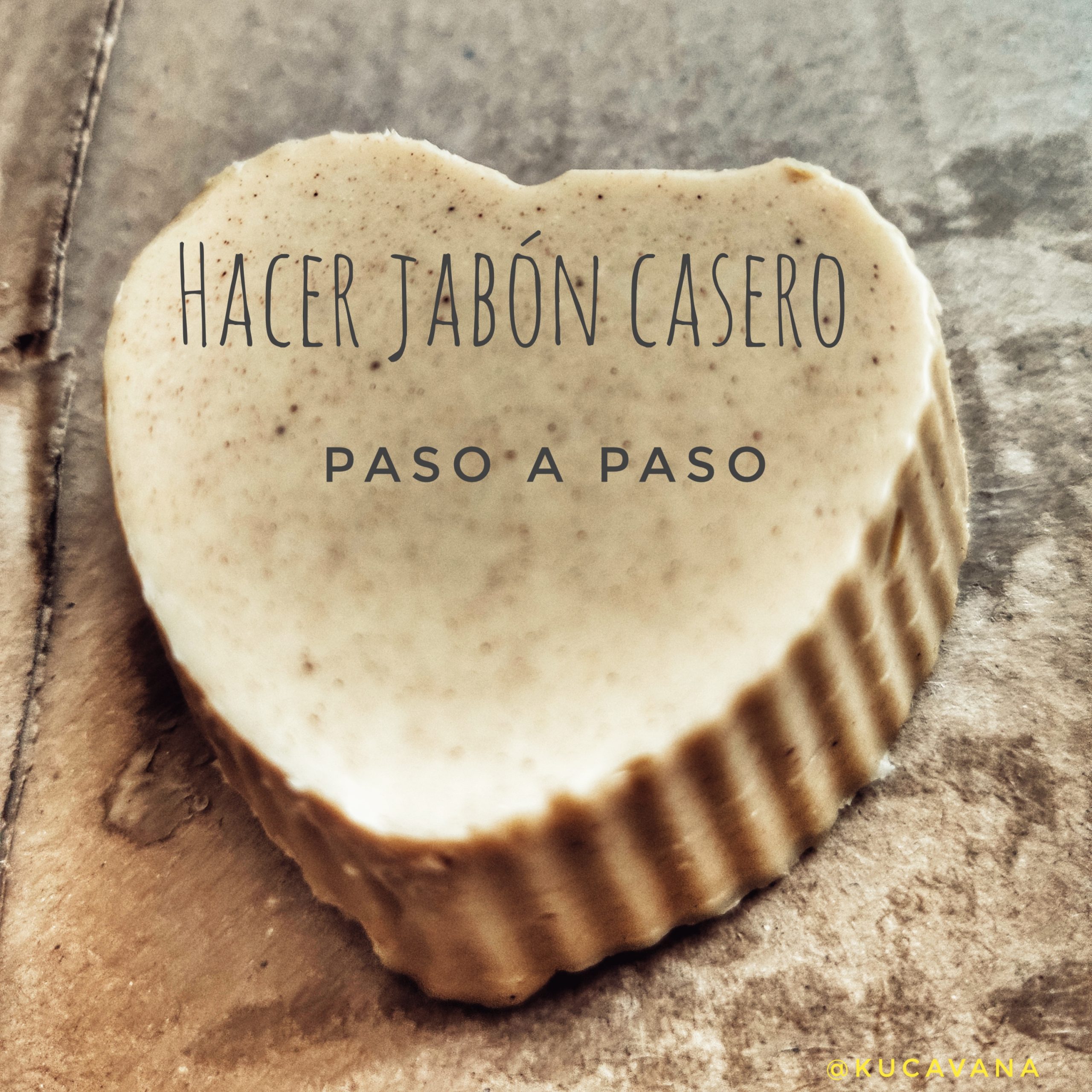
If you wonder how to make easy and cheap homemade soap, here we suggest you make your natural soap. A useful soap for the whole family's showers and for the washing machine. We show you how to make homemade lavender soap for a relaxing fragrance or how to make homemade tea tree soap to repel the little lice or how to make aloe vera soap to further hydrate your skin. A homemade and natural soap based on recycled olive oil that in less than half an hour you will have it ready to fill the molds!
How to make homemade soap with used oil. Recipe to make homemade soap.
The ingredients are a basic handmade soap. The basis and measurements for making homemade soap.
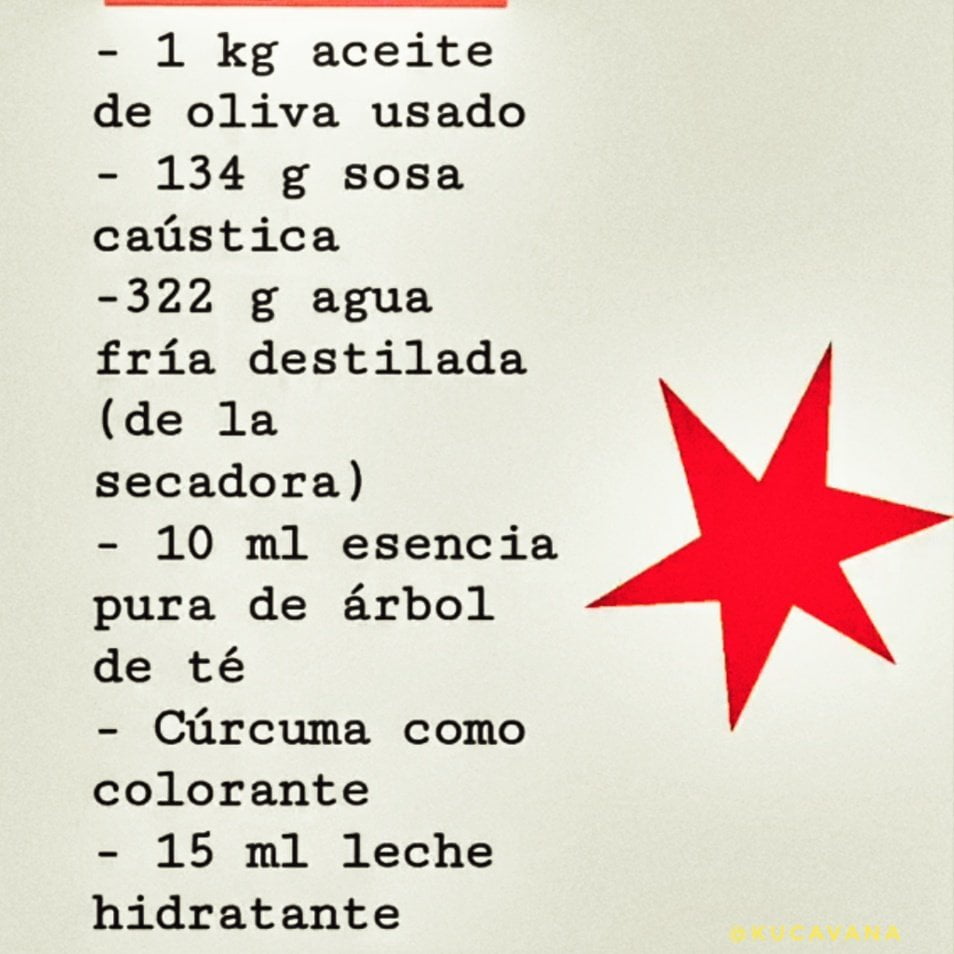
The ingredients to make soap with used oil that also serves as the proportions to make homemade soap are:
- 1 kg of olive oil used or new (less smell will make against newer and easier to curdle). They can also be made with other oils but then the measurements vary and I personally don't like how it looks. And for each kg of oil you have (then multiply or divide) the following proportions of the rest of the ingredients:
- 322 g of distilled water (the one from the dryer or purchased)
- 134 g of soda flake
With these basic ingredients, you already know how to make washing machine soap or basic shower soap.
The extra and optional ingredients to customize your natural soap in a thousand ways
- 15 ml of moisturizing milk to make your soap more hydrating and creamy, especially highly recommended in all those you use as a shower gel. You can also put oat milk or even honey.
- 10 ml or more as you want of pure essential oil of whatever you want it to smell (lavender, tea tree, vanilla ...).
- Food coloring for the color you want to give your soap (turmeric, curry, paprika, food coloring etc ...). The amount is according to the color you want to see, when it dries it always tends to lower the intensity of the color.
- Seeds you want to give it if you want the exfoliating texture. The amount to your liking.
- For more hydration, you can add pulp of an aloe vera leaf, crushed with a mixer.
Materials to make homemade soap
- A hard plastic basin or stainless steel pot
- A wooden stick or long wooden ladle to be able to be
- Gloves, glasses and a mask to protect you
- Mixer
- Silicone molds or recycled containers and / or cookie cutters to shape the soap
- Plastic fruit boxes with racks or something similar to put the aerated soaps
An example of ingredients to know how to make homemade cream colored anti-lice tea tree soap
The process of how to make homemade soap with easy used oil
In the following article on how to make homemade soap with olive oil, we explain step by step how to make easy, effective, and inexpensive homemade soap for your washing machine or shower . It's the same homemade soap we use at home as shower gel for the whole family, and it's also the perfect homemade laundry soap that works wonders for removing stains and leaving children's clothes spotless.
You will learn how to make natural soap, how to make artisan soap, how to make soap with recycled used oil. The soap of all life. Perfect for the family, children and with ingredients that you surely have at home.
The process does not last 1 hour in total, without the time to cool down 30 minutes maximum. Even a child knows how to do it, but in this case it is not recommended that they do it eh.
Finally, I will teach you to create your own homemade soaps in a thousand ways with your personal touch, learning how to make aloe vera soap, how to make lavender soap, how to make tea tree soap for lice and even how to make colored soaps.
The step by step of how to make soap with used oil to make homemade soap that works
Step 1 of how to make homemade soap with used or new oil: Melt the soda in the distilled water
First, prepare to do this step and the rest in a well-ventilated place . A terrace or patio will be the ideal place to make homemade soap with oil and lye, as we are going to do.
We're going to do the process with 1 liter of used oil , so the whole recipe for making homemade soap that we'll explain now has the measurements on this basis.
In a hard plastic or silicone container, or a large stainless steel pot from the kitchen, put the 322g of distilled water . If you don't have store-bought distilled water, you can use the wastewater from your dryer, as I do (cheaper and recycled distilled water :)).
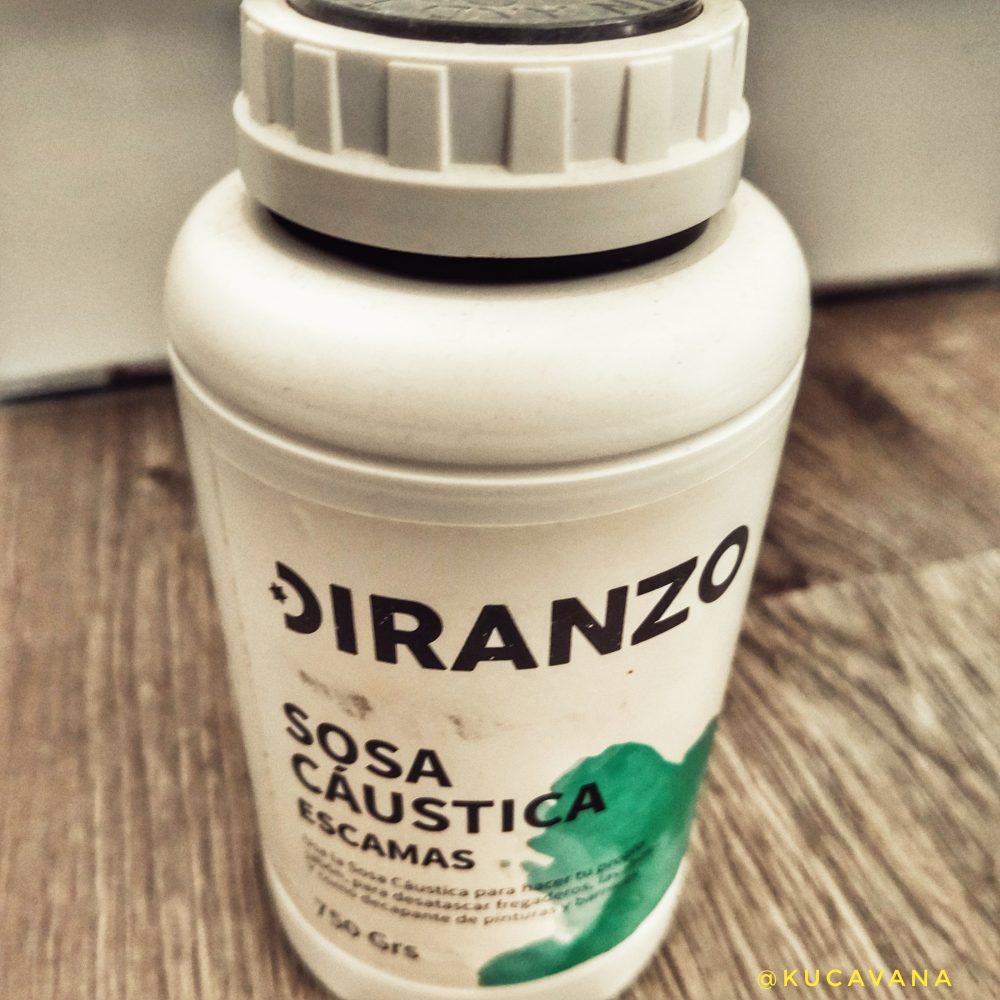
Then put on gloves, safety glasses (if you have them), and a mask , and pour in the 134 grams of caustic soda flakes. This caustic soda is sold in any drugstore or even at Mercadona and is very inexpensive.
At this point, the mixture begins to produce the most dangerous fumes by greatly increasing the temperature of the water in contact with the soda. Hence, we recommend you wear a mask, glasses and gloves.
Using a long wooden stick, stir the mixture until it is completely dissolved . Always stir in the same direction for best results.
Step 2 of how to make easy homemade soap: Let the mixture cool down to 30 degrees
Once the mixture has dissolved, let it cool to about 30 degrees Celsius . You can use a kitchen thermometer, or simply check if it's cooled down when it's no longer smoking or boiling.
Step 3 of how to make natural homemade soaps: Pour the oil little by little and beat like mayonnaise
And now to make the mayonnaise, as I call it. We need to gradually add the oil and beat the mixture with our electric mixer, just like we would for mayonnaise, but in this case, we'll beat in circles, always in the same direction.
Do not worry about the mixer and your health, then you clean it well or in the dishwasher and you can use it with the food without problems. I have used it a day later for a puree and well cleaned without problem.
If you do not have a mixer, turmix, you can do it with the wooden stick always turning in the same direction. I warn you that the process will take much longer.
Whisk and let it rest for 5 minutes so you don't get tired. Then whisk for another 5 minutes and rest again. Repeat this process until your mixture has the consistency of mayonnaise and leaves a trail when you lift and pour a little onto the surface. You might need to whisk 4, 5, or even 6 times; it varies. The process also depends on the oil—whether it's new or well-used will affect the consistency. Don't despair if it takes a while to thicken; it's probably due to the quality of the oil. Be patient; it will eventually thicken. Sometimes you need to let it rest a little longer and continue whisking. Don't give up.
Step 4 of how to make soap with used or new oil: Incorporate the extra ingredients to customize your soap to taste.
Once your mixture already has a mayonnaise texture and make a zurco (mark the droplets, when you drop a bit of dough) you are ready to give your soap customization.
Here are some customization ideas:
How to make natural marseille soap as your bath gel? Well, nothing add the hydrant cream as I have said above and some essential oil to perfume it as you like and that's it. I would also add a little turmeric to give it a nice cream color.
How to make homemade disinfectant soap? Well, add a minimum of 10 ml of tea tree and it will become an anti-lice and disinfectant for your wounds, anti-acne, etc ...
How to make aloe vera soap? Then add one or two leaves of the pulp (the inside) of crushed aloe vera before in a blender.
How to make lavender soap? Add 20 ml of pure lavender essence to your soap and bits of dried flower if you have one. They can also be made with herbal teas. That is, boil lavender water before using it. The same works with any herb you want.
How to make homemade exfoliating soap? Well, add some seeds to your mixture (sesame, etc ...) Also with coffee you can get a good exfoliant.
How to make a nice tan colored soap? Add turmeric or food coloring or curry, it will give it the color and aroma. The touch of cinnamon also suits it well.
If you want a brown color, add a little coffee or waste chocolate, it will also give it its properties.
If you want it red, then sweet paprika and you will have a red homemade soap.
How to make a homemade soap of blue color? Add a food coloring. What I warn you here that the colors are rare sometimes, you have to add a lot to get the desired color.
You see that you can make a thousand combinations, everything you can imagine you can do.
Step 5 of how to make soap with beautiful shapes: Put in molds, let cool and unmold after 24 hours
Finally, we have to put our soaps in molds before it gets colder and more complicated.
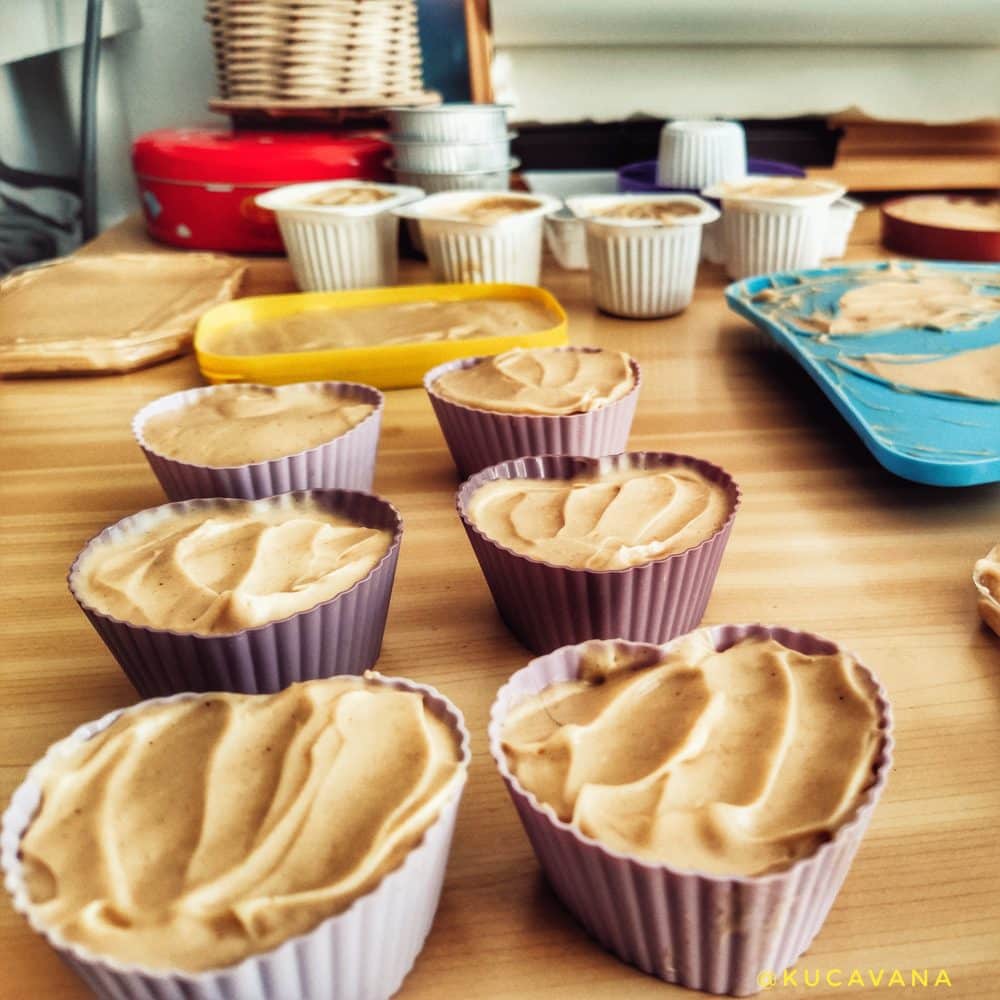
I use silicone molds to make muffins, cakes and others. I have heart shapes that were made of cupcakes and dinosaur shapes that they love at home.
But I also use recycled packaging that can make good rectangular or square bases and then cut them with cookie cutters in different shapes.
For example, I use nut tops or meat trays. That gives me bases to cut with the cookie cutters once we unmold
And finally I use various recycled packaging of round shapes, flan or others.
Once in the molds you have to wait 24 hours. And after 24 hours, remove the mold.
For those bases that you want to cut with the cookie cutters it is time to make the cuts before they dry more.
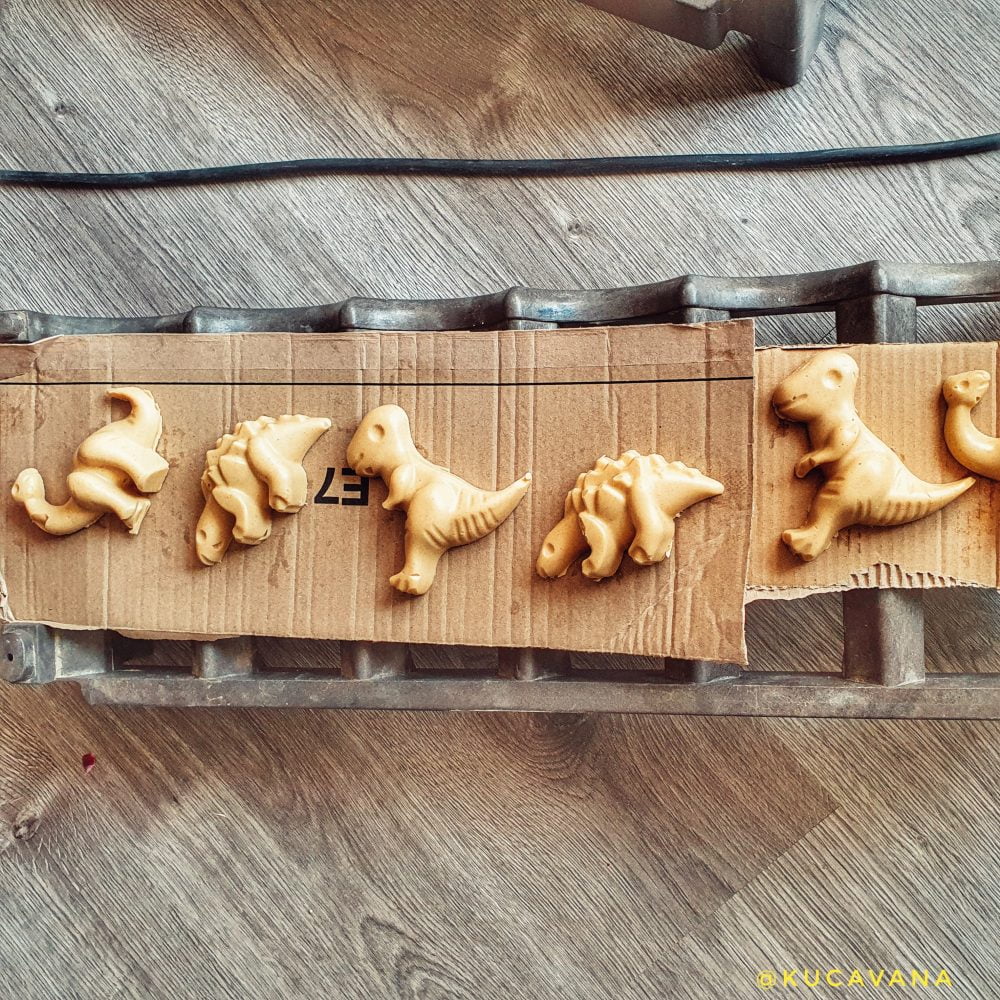
Step 6 of how to make natural soaps: Let the soaps dry, cure, for 40 days
Once we have the soaps in the shapes we want, we have to let them cure for a minimum of 30 days, ideally 40 days. This process allows the lye to dry completely and disappear, so it won't be harmful to our skin.
To dry, homemade soaps should be left in a well-ventilated place , but out of direct sunlight. I leave mine on cardboard in an unused plastic bottle rack, but you can use ventilated plastic boxes or anything similar.
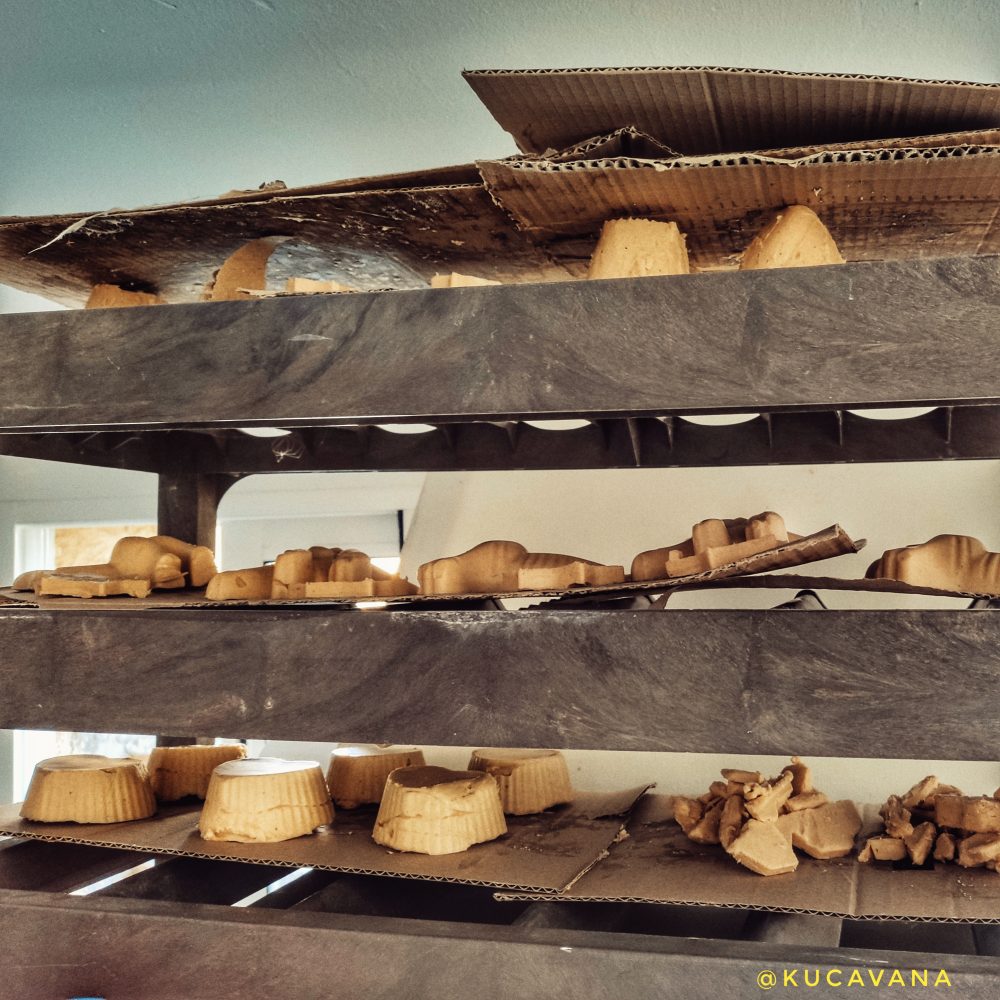
Step 7 of how to make homemade soap: Finally to use our soaps!
Finally, after waiting 40 days, we can use our soaps!
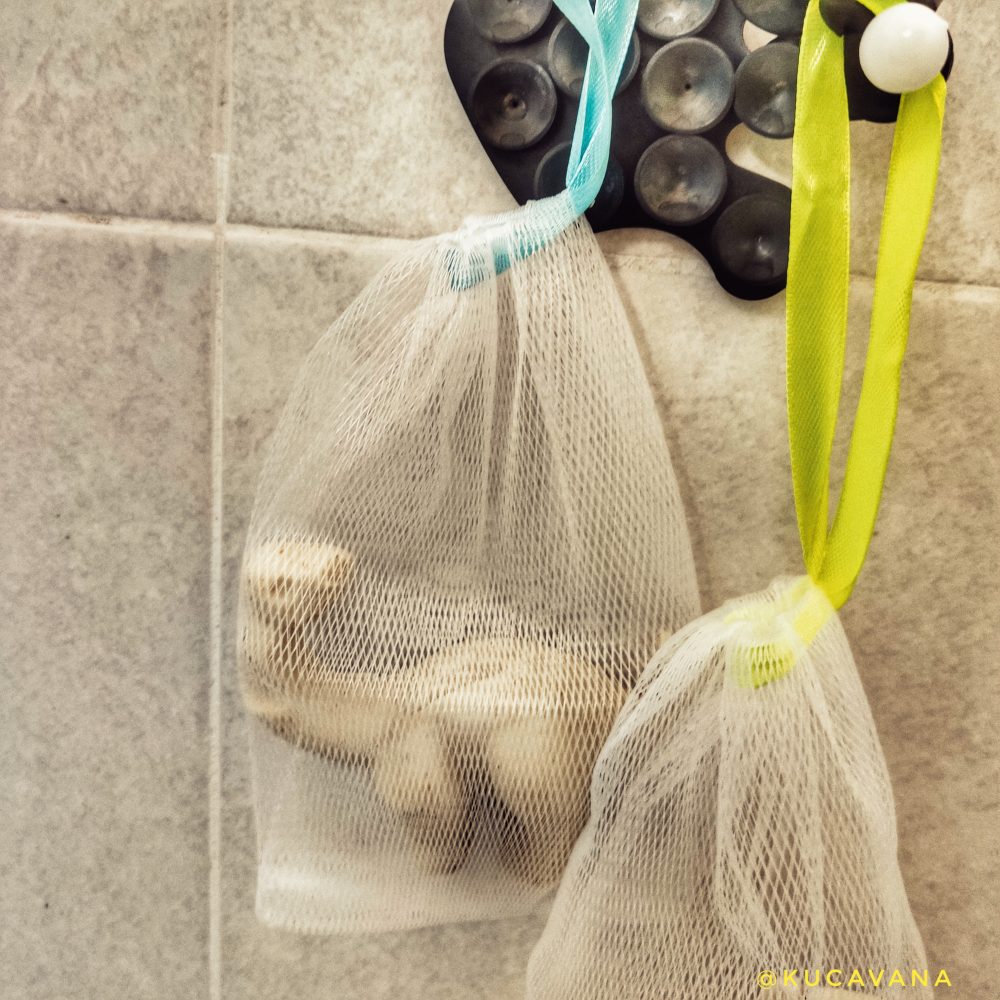
At home, we use them in these sponge bags , which work great because they create a lot of lather and the soap doesn't spill. They're also very inexpensive, and you can even give your soaps in the mesh bags as a lovely little gift.
And in the washing machine I do the same in a bag of these a little piece (the leftovers of the cuts I use) and inside the drum of the washing machine directly with the clothes.
Problems making homemade soap
You might encounter some problems making homemade soap. The most common issue is that it takes a long time to set during the mixing process. This is mainly due to the type of used oil you use. The more reheated and used the oil, the harder it is to set. The solution is simple: don't give up, just keep mixing and letting it rest. It will eventually set.
Another problem could be that your lye isn't dissolving completely or heating the water. This is probably because it's expired or old. Stir it until it dissolves, and even if the water temperature doesn't rise much, it will, and the soap will still work. Just buy a new one next time.
These are the most recurring problems. If you have any other leave it in comments to see if I can help you.



I thought that homemade soap was only good for washing. I have never tried it, caustic soda gives me respect
Well, do not hesitate, caustic soda is not so bad (you just have to be careful when pouring it). With the cure or drying of the soap a month, the soda is completely eliminated and for the skin I assure you that it is great. My oldest has atopic skin and this soap is great for her as it is made from olive oil. We are doing super well and it is a great saving 🙂
Very good I have strained the oil…. But it is not olive, it is a bit of everything, what if I am doing is to leave it as clean as I can, I will see if it comes out following your advice, thank you very much and very well explained.
Good morning María José, depending on the type of oil the amounts are a little different from soda, in the soda container you usually put it, let's see how it looks, tell me! Thanks for your comment.
There will be perfect sabons! Moltes gràcies. IDEA PER A MOTLLES: If ho feu with pots of pringuels potatoes and després, at 24 hours, desmotlleu and els talleu a rodanxes, there are some sabons rodonets moníssims.
Gràcies Marta! Quina bona idea the pot of pringels, ho faré the prosperous vegada for sure! gracies!
https://www.mendrulandia.es/calc/ca.html
Here I had a calculator to be able to calculate the quantity of water, sosa according to the type of gray that I used.
Nosaltres will try to fer-ho de saïm that in tenim de sobre.
Quan afegeixes l'oli per fer la batuda caliente que sigui calento (tebi) com la barreja amb la soda i l'aigua.
Ho have fet però not just quallar.
Not the hot Núria, you have to let him rest and return to the batre, quallarà is patience. Let it rest for 10 minutes and return and then finish it vagi quallant. Depends on the quality and type of olive wheat more or less, but with patience all qualify 🙂