Table of Contents
Discover an inspiring journey through Osona and Ripollès, Catalonia, by motorhome, campervan, or car. Be amazed by incredibly picturesque inland destinations . Much more than you can imagine!
About @soulrey_
Arantxa and Laura from Barcelona are two sisters who, through their Instagram profile, show excursions and routes through Catalonia experienced in the first person… which inspire us.
Today, they want to share with us two great routes through the Catalan regions of Ripollés and Osona.
1. Routes through Catalonia by motorhome, camper or by car: El Ripollès
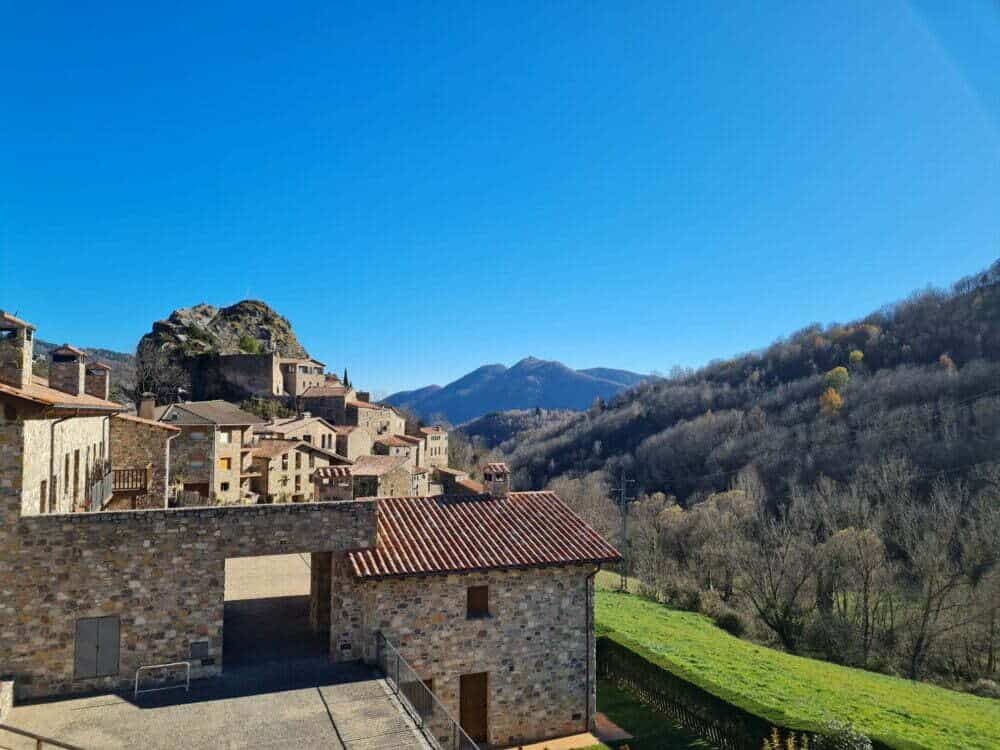
We begin our route through the villages of the Camprodon Valley. Along the way, we'll discover several towns that share the same stone architecture, the essence of northern Catalonia, and traditional crafts. Don't miss Setcases, La Roca, Camprodon, and Beget.
Do you sign up to discover Catalonia in a motorhome?
Setcases: a very picturesque town
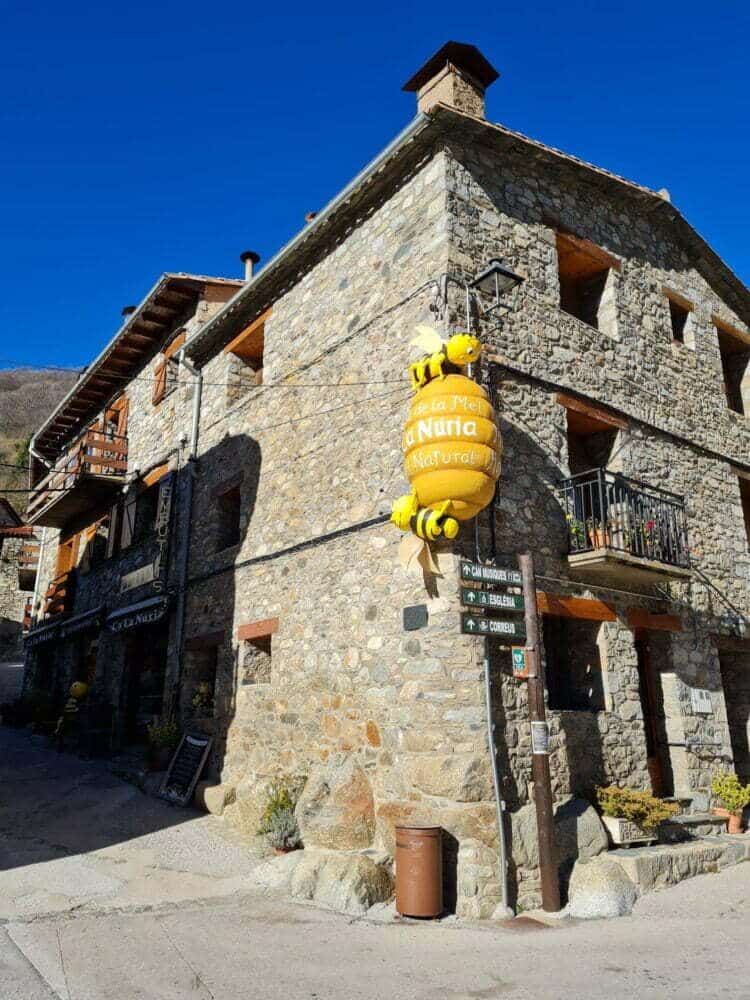
We begin with the northernmost village, Setcases. Located in the province of Girona and the Ripollès region, it's a small, picturesque village with cobbled streets and stone houses. A sense of tranquility and local tradition permeates the air, with its small artisan shops where you can find products like local sausages, the typical Birba biscuits, artisanal honey, and other souvenirs.
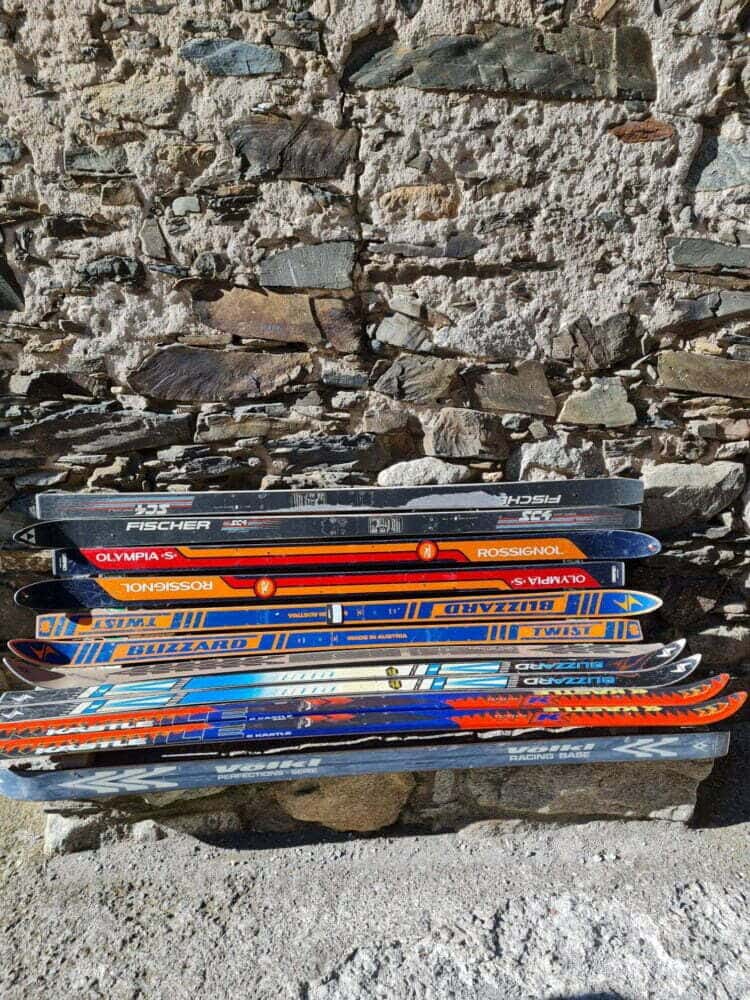
Likewise, it is an area with tourist traffic in the winter months since it is located very close to the Vallter 2000 ski slopes and therefore in the center of the village there are some very peculiar seats made with skis.
We are really enjoying our route through Catalonia in a motorhome!
Ca La Nuria Setcases / Photo: @soulrey_
Seats made with skis / Photo: @soulrey_
essence and traditions
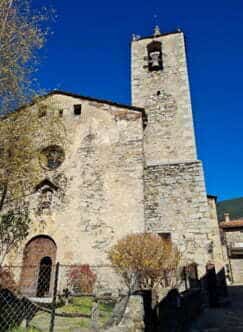
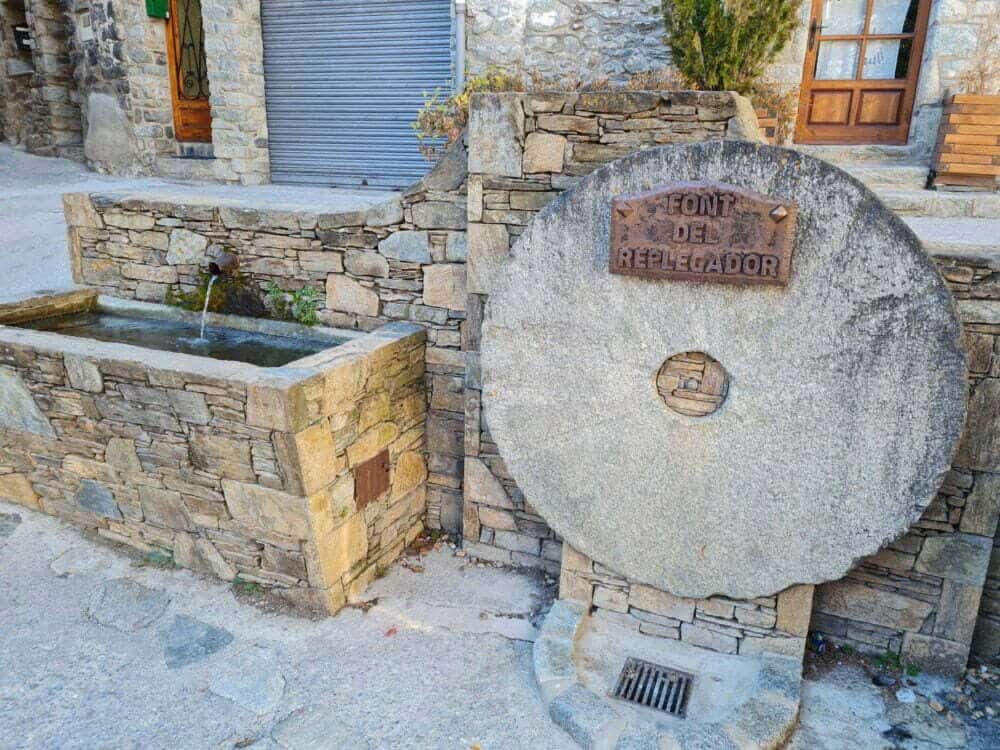
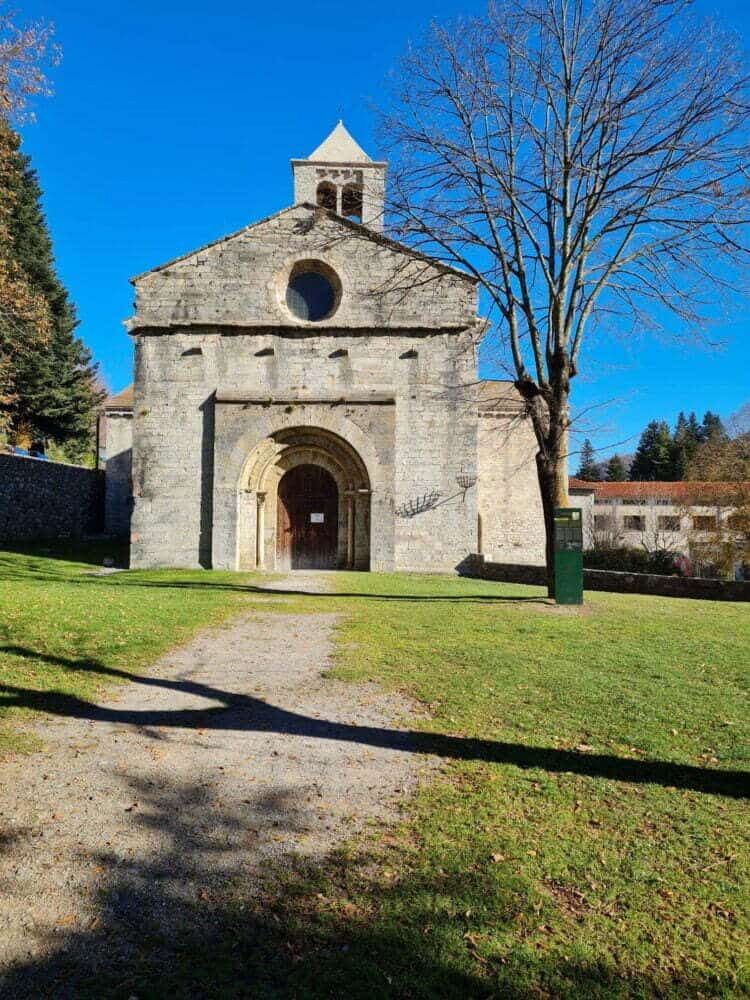
You can also visit the Church of Sant Miquel, with its attractive gilded altar in the Baroque style, and next to it, the Font del Repledor, a small fountain located in the Plaça del Repledor which has a mill wheel to its left that reminds us of rural traditions.
Church of Sant Miquel / Photo: @soulrey_
Font del Replicator / Photo: @soulrey_
On our motorhome trip through Catalonia, we would also like to share one of the legends that exist in this municipality, and it goes like this: A family of farmers consisting of a (blind) father and his seven children went up to the mountains for the first time to graze their sheep when it started to snow.
The children were surprised by those strange whitish things that fell from the sky and the father explained to them that they were snowflakes and that in a few hours all the mountains would be covered and their cattle would not survive the cold.
Then they began descending the mountain when they came across an elderflower and decided to settle there. Each of the sons built a cabin, making a total of seven. Hence the name of the village, Setcases.
The Rock: Stairs to Heaven
We continued our route through Catalonia in a motorhome and headed towards Camprodon, but wait! Before that we decided to make a stop in a town that caught our attention because of its location on top of a rock and which, as its name says, is called La Roca (The Rock ).
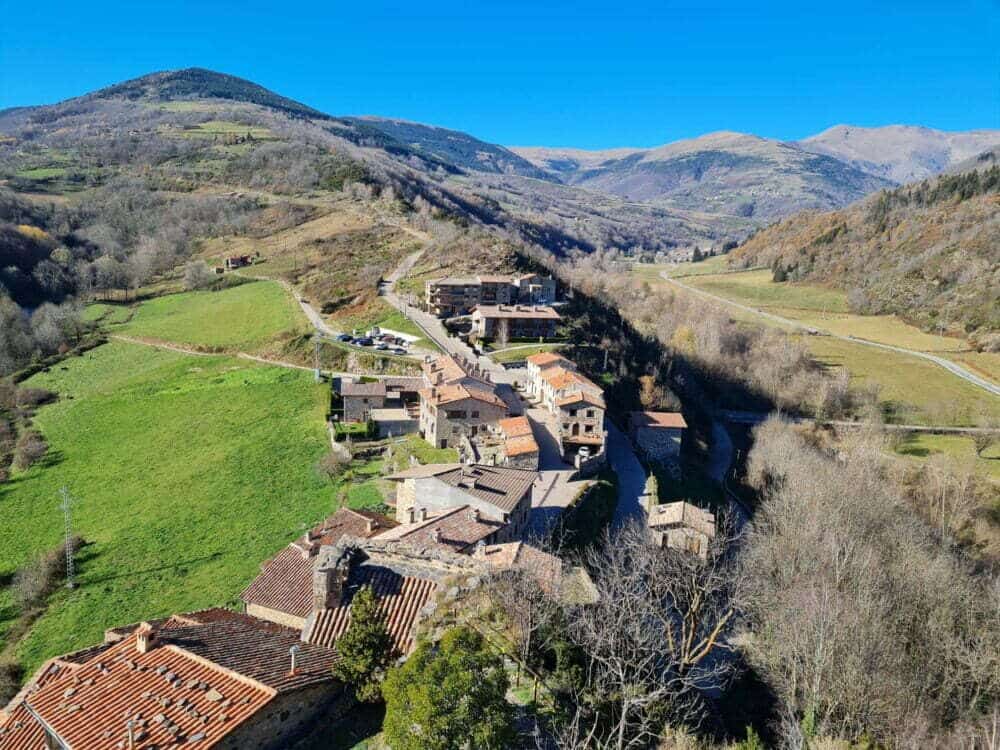
This unique village is located at an altitude of 1.040 meters and was established at the foot of Castell de la Roca. Today, you can park in a small parking lot on Camí del Canal street and from there ascend through Plaça and Carrer del Túnel to reach the Romanesque Church of Our Lady of Mercy (12th century).
From there, you can access Castell de la Roca Pelancà and climb to the viewpoint. Yes, we know it looks like there are a lot of stairs from below, but we recommend taking it slowly because the views are well worth it.
Entrance through Camí del Canal / Photo: @soulrey_
Views from the viewpoint / Photo: @soulrey_
Camprodón: Stroll through the Middle Ages
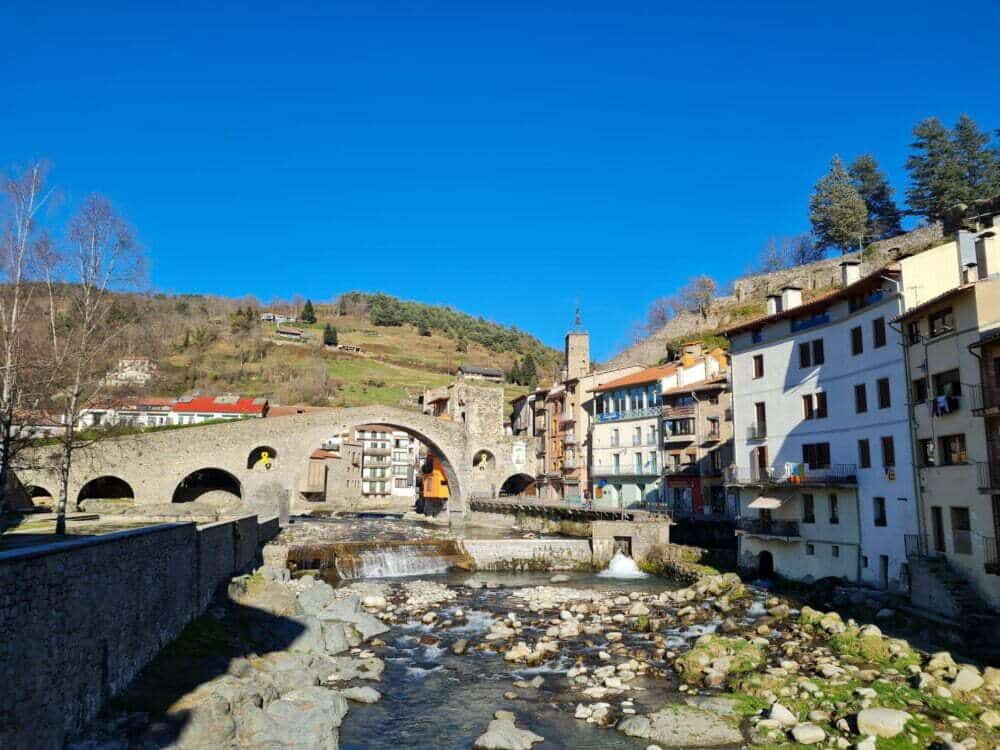
We continued our journey towards the famous town of Camprodon. It's one of the largest medieval towns in the area , and we highly recommend getting lost in the streets of its historic center. It's definitely a wonderful place to visit on your motorhome trip through Catalonia.
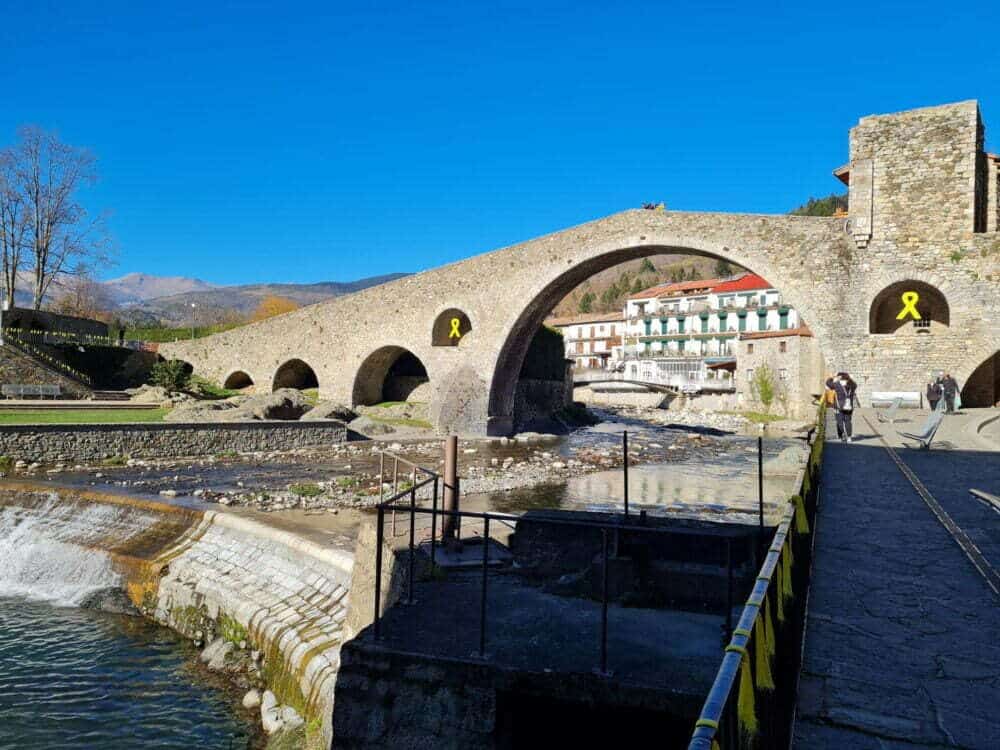
One of the recommended points is the Pont Nou de Camprodón, which is the symbolic image of the town, where we can take some photos from the bottom but we can also access the bridge and take some selfies.
We change our perspective and head towards Valencia Street. This is the main street and we can find various shops and restaurants there.
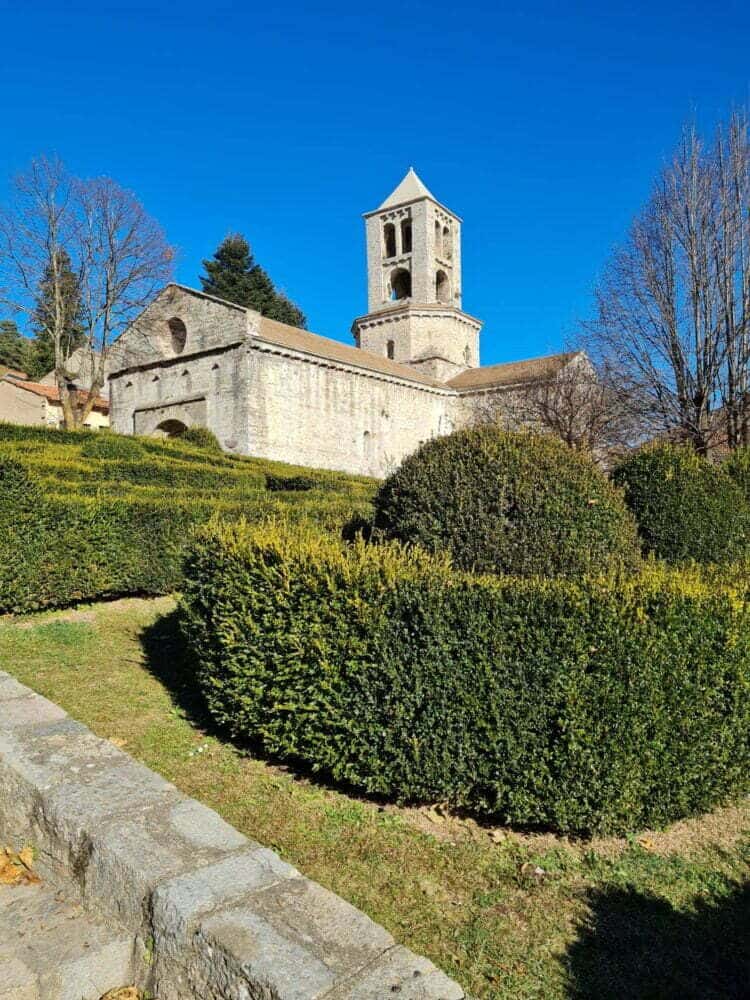
Another place we can visit is the Monastery of Sant Pere. In its beginnings, this religious space served as a church, but years later it was decided by order of Guifré II of Besalú that it should be founded as a monastery.
And finally, we recommend you take a stroll along Passeig Maristany . On this small avenue, you can see several unique buildings that are now private residences, and the most pleasant thing about it is walking among the large trees that line it.
We are loving our route through Catalonia in a motorhome!
Pont Nou de Camprodón / Photo: @soulrey_
Sant Pere Monastery / Photo: @soulrey_
Beget: a really nice town
It's time to move on to our last stop. And that's Beget ; considered one of the most beautiful villages in Catalonia , and we certainly agree.
We should mention that to get there you have to drive along a somewhat tricky, winding road, but it's well worth it because the destination is breathtaking on our motorhome route through Catalonia. There's a small, free parking area right at the entrance to the village.
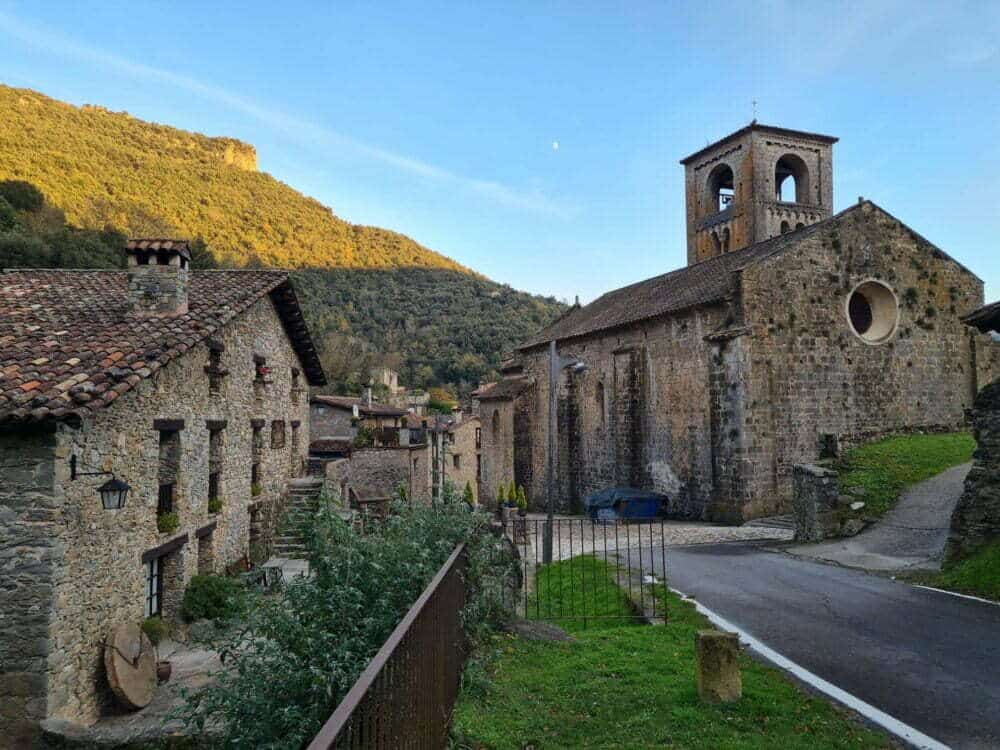
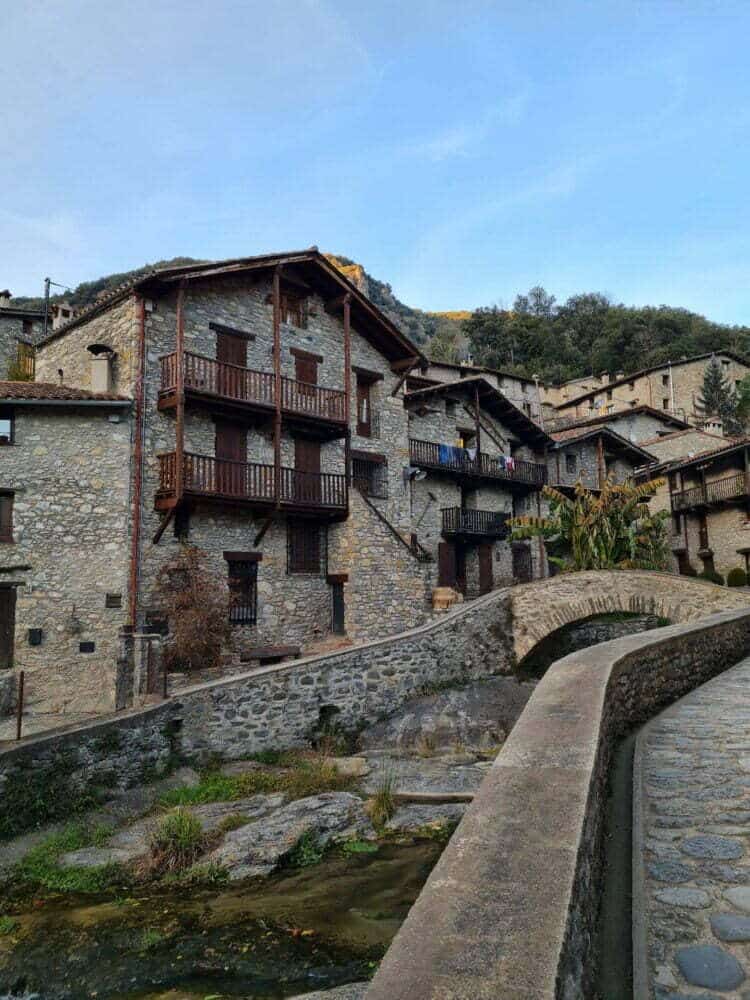
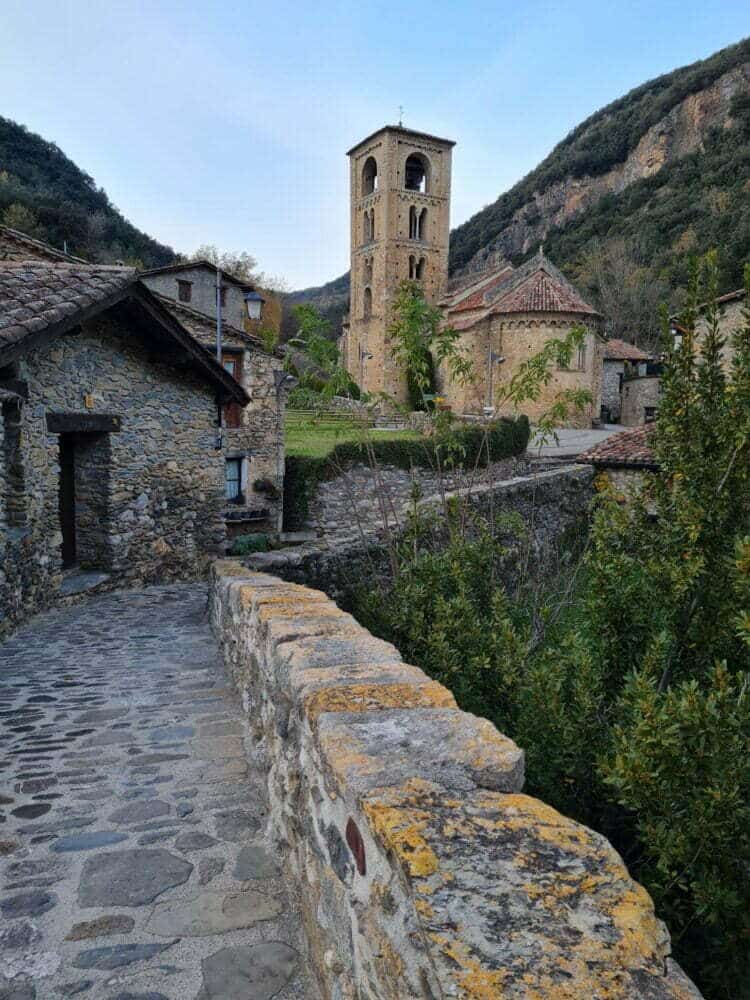
Beget is a town located between the mountains, which have a beautiful Catalan Romanesque-style church and two small stone bridges that cross the Riera de Beget.
a bell tower skyline
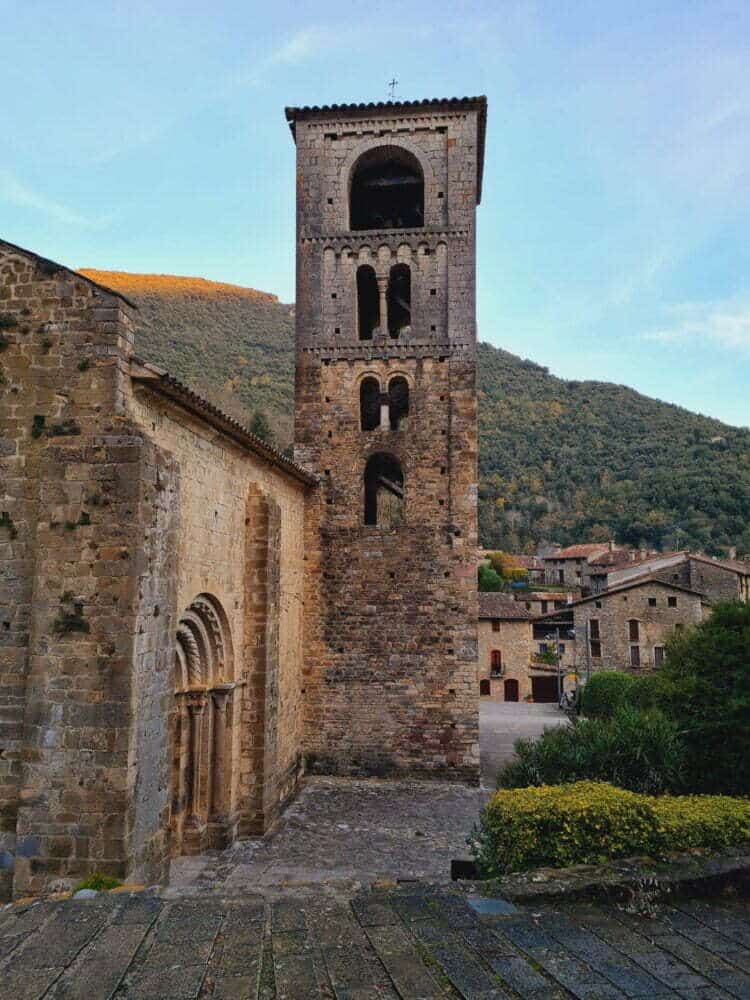
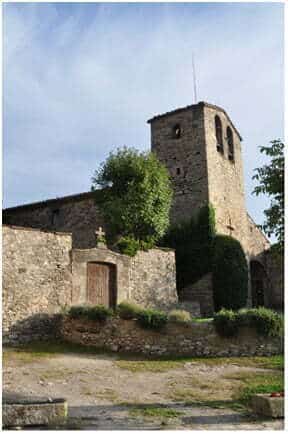
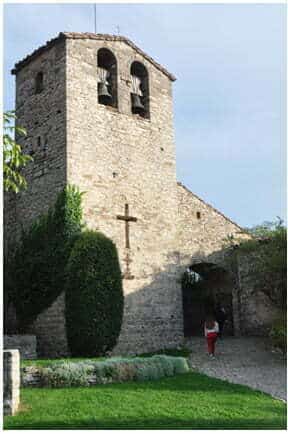
We could say that the Church of Sant Cristòfol is the town's skyline, thanks to its bell tower that stands out at first glance. It is also considered a Site of Cultural Interest.
We visited it late in the afternoon and it was a pity because we would have liked to see the Pozas de la Riera Salarsa. But nevertheless we were able to enjoy a quiet walk through its cobbled streets and the tranquility that those stone houses with half-timbered houses gave off.
This is over... what a pity
And so we come to the end. The Vall de Camprodón route has left us quite impressed by the Catalan architecture found in its villages and by the natural landscape that surrounds them.
We believe that this itinerary can be done in one day, but there are also other towns in the area and circuits in the middle of nature to continue discovering places that allow you to spend more days. If you are planning to make a getaway through Catalonia in a motorhome, you cannot miss the route through El Ripollès!
Beget / Photo: @soulrey_
Church of Sant Cristòfol / Photo: @soulrey_
2. Routes through Catalonia by motorhome, camper or car: Osona
The following route that we propose is full of nature and surprises: Salt del Mir, Tavertet, Mirador del Ter, Sant Pere de Casserres and Pedres màgiques de Sant Feliuet de Savassona. We invite you to discover it with us. Ideal for your route through Catalonia in a motorhome!
Osona, first stop: Salt del Mir waterfall: first stop
Our first stop is to visit the spectacular Salt del Mir Waterfall. This is located in Santa María de Besora, a very welcoming rural municipality surrounded by forest. It is located in the Osona region, about thirty minutes from Ripoll (approximately 20 km).
We recommend getting to the town by private car, since it is a small town and does not have very good connections with public transport.
The route can be started from the village of Santa María de Besora or from the Cabanya del Mir restaurant . It's worth noting that parking is available there, but it's a small lot reserved for customers.
Just when leaving the parking lot you can see a sign indicating the way to go, there are approximately 30-40 minutes to the waterfall. This will vary depending on the pace you take.
As soon as you start the path, you will find a meadow with horses on your left. Afterwards, the path goes into the forest until it reaches a sign that says "El Salt" indicating the direction to the right. Next you will find a bridge that crosses a recluse.
Bridge along the way / Photo: @soulrey_
We
Once past this, you will see a fork and you must follow the path that goes to the right. From here, the path will go down until you reach an abandoned stone cabin and there you must turn right.
A few meters away, the path splits into two, you have to follow the one on the left. Following this path you will find an old flour mill in ruins that is totally integrated with the flora of the place.
From here, it's the final stretch until you find the last sign that says "El Salt" again. A short distance away, you'll find some wooden steps and a small viewpoint to admire the beautiful waterfall.
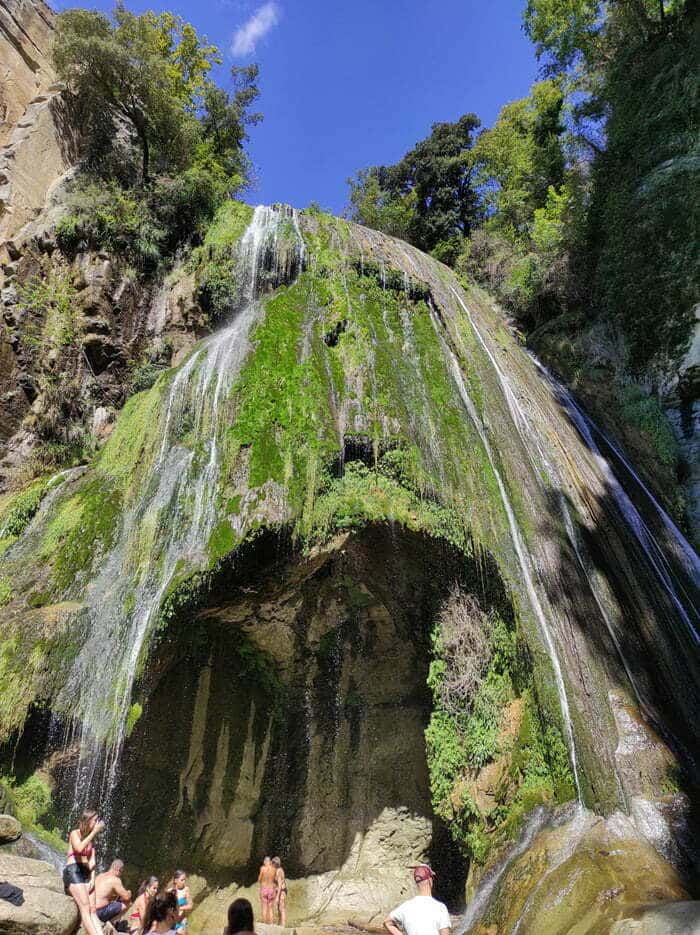
If you continue down the stairs and the water level is low, you will be able to reach the foot of the waterfall and contemplate it from closer up. This spectacular waterfall is 35 meters high and especially in rainy seasons you can discover the great waterfall that slides down the mountain. It is a spectacular ideal place for a good tour of Catalonia in a motorhome.
Surprising: a waterfall with eyes and a mouth!
As a curiosity, if you look closely you can see a face with two eyes, a nose and a mouth. (We realized once we took the photo).
Salt del Mir waterfall / Photo: @soulrey_
For the return, you will have to do the same path but this time it will be all uphill so it may take you longer than for the outward journey.
Remember to wear comfortable shoes , and for the bravest, swimwear for a dip, although the water is very cold. Also, be careful not to slip near the waterfall area.
Tavertet, second stop in Osona: wonderful views
After all this adventure in the middle of nature, we head towards our next stop, which is Tavertet. It is about 46 km (1 hour) from Santa María de Besora.
We recommend you park your car outside the town in a parking lot since non-neighbors are not allowed to enter.
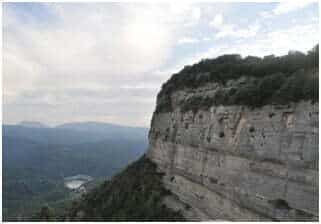
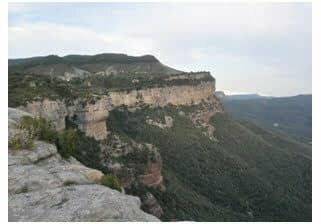
Tavertet is a small, picturesque village in the Osona region of Barcelona province. It sits atop a rocky outcrop overlooking a precipice, offering breathtaking views of the Sau Reservoir and the Montseny Mountains. Traveling through Catalonia in a motorhome creates memorable moments like this.
Views from the Tavertet viewpoint / Photo: @soulrey_
In this small village, you can admire beautiful stone houses that give it a very welcoming feel. The town center of Tavertet is a listed Site of Cultural Interest , as it boasts forty-eight stone houses built between the 17th and 19th centuries.
One of Tavertet's most popular tourist attractions is the Church of Sant Cristófol de Tavertet . This fortified church is one of the first things you'll encounter when you enter the town. It's part of the Romanesque routes of Osana. Construction began in the 11th century but wasn't completed until the 17th century due to numerous renovations.
Church of Sant Cristófol de Tavertet / Photo: @soulrey_
Tavertet is part of the Viles florides initiative developed by the Confederation of Ornamental Horticulture of Catalonia (CHOC). This was created to promote corners, towns and cities through green and flowery spaces.
Are you liking the sites that we are showing you? Come with us to our next stop, if you want to fully enjoy Catalonia in a motorhome.
Ter viewpoint in Osona: you have to see it!
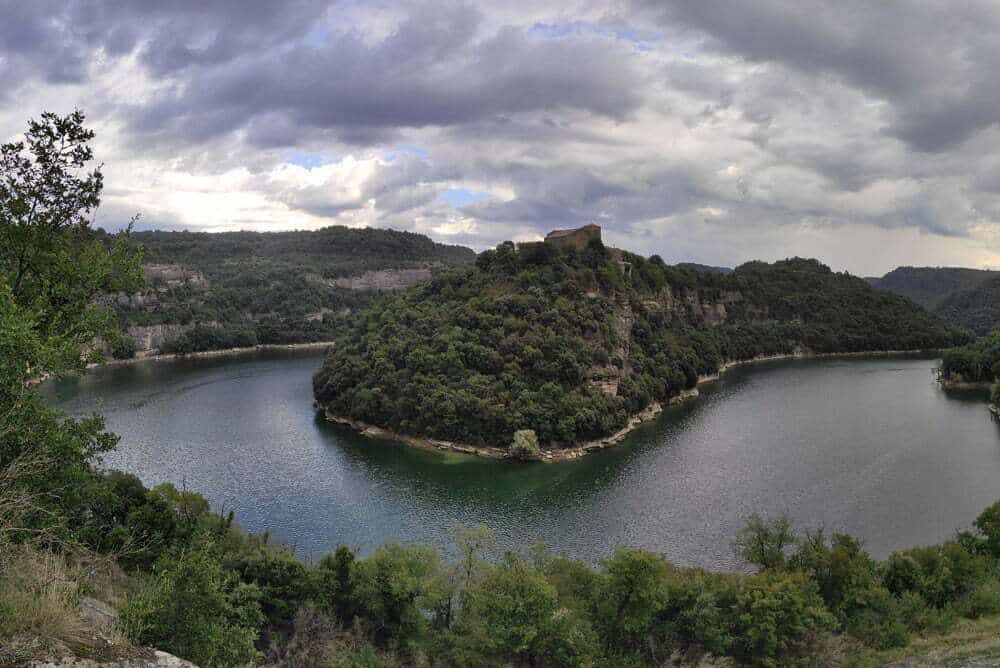
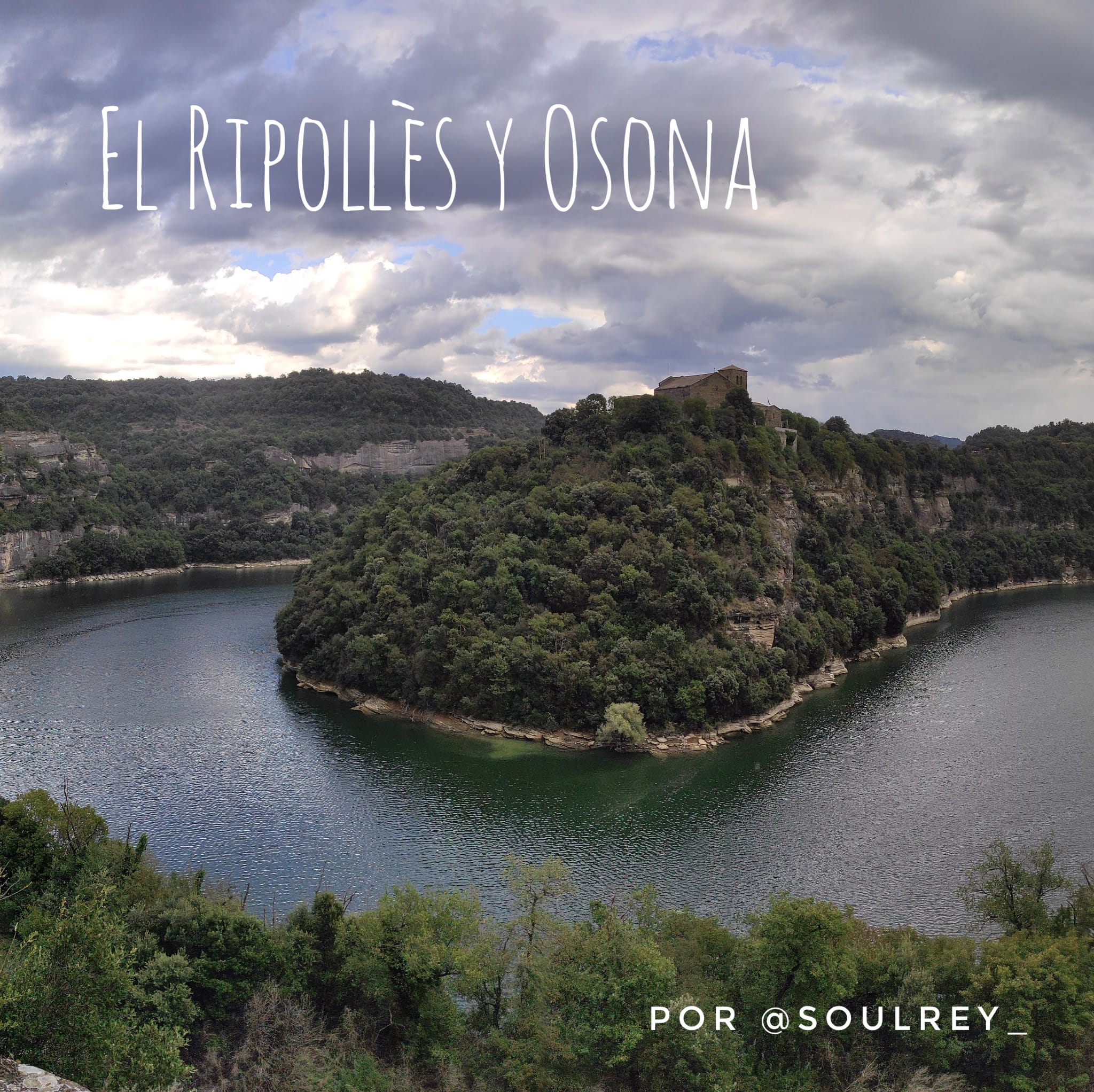
And we arrive at the Ter Viewpoint. This is located 20 km (30 minutes) from Tavertet. The viewpoint overlooks the Ter River and the Monastery of Sant Pere de Casserresque, which is located on the other side of the meander.
To get here it is best to put the location on Google Maps to guide you. Once there, you must park near the soccer field since the path to continue by car is not optimal and it is better to continue walking. To get to the viewpoint you just have to follow the road and then enter the path through nature that already guides you to the viewpoint in question.
At the end of the path you will find yourself on a small elevated rock from which you can see an incredible view of the monastery of Sant Pere de Casserres and the meander of the River Ter.
Viewpoint of the river Ter meander / Photo: @soulrey_
Monastery of Sant Pere de Casserres de Osona: a piece of history
On the other side of the river we find the Monastery of Sant Pere de Casserres. This was declared a National Monument in 1931, as it is one of the most emblematic works of Catalan Romanesque architecture.
Today, the monastery houses a permanent exhibition showcasing the daily life of the monks in Casserres . The monastery's rooms have been recreated, maintaining their original layout throughout the centuries.
In addition, there is also a series of photographs and audiovisuals where the legend, the history and the construction process are explained. The entrance is open to the public but has a cost that is specified on its website along with its visiting hours.
To this day, the Romanesque church, the bell tower and the cloister are preserved in their entirety.
Pedres màgiques of Sant Feliuet de Savassona: magic in a big way
Finally, Pedresmàgiques de Sant Feliuet de Savassona is the fourth and last point to visit on the route. This place is located 12 km (approximately 16 minutes) from the Mirador del Ter, in Savassona, which is part of the municipality of Tavèrnoles.
We recommend parking in the Savassona and Sant Feliuet car park, which is located on the main road. Once here, we take the dirt road that is indicated by some signs to the Savassona Natural Area.
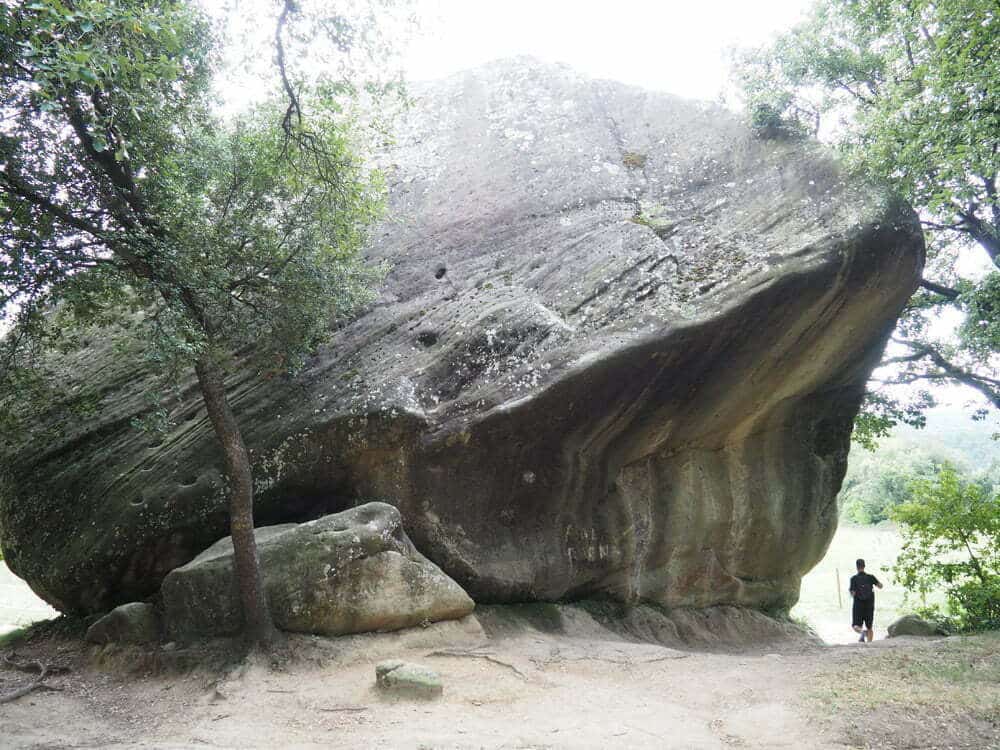
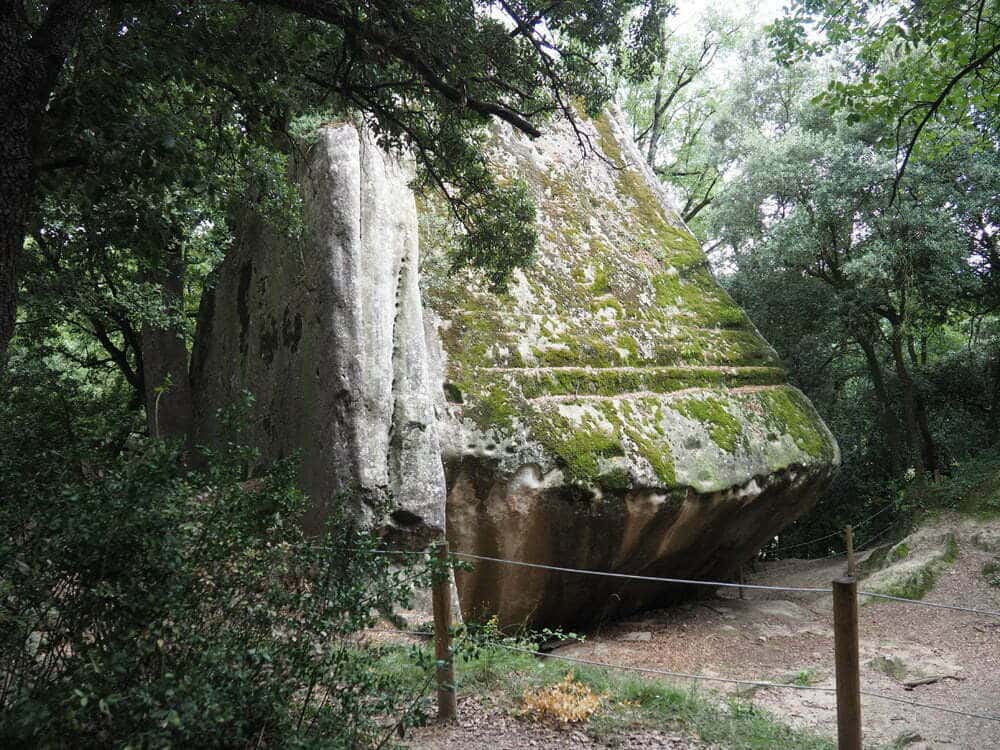
Within this forest, we find a series of giant stones said to have been used for funerary rituals. Their exact age is currently unknown. The first one we encounter is the Pedra del Dau , quite peculiar due to its large size, and a popular spot for rock climbing.
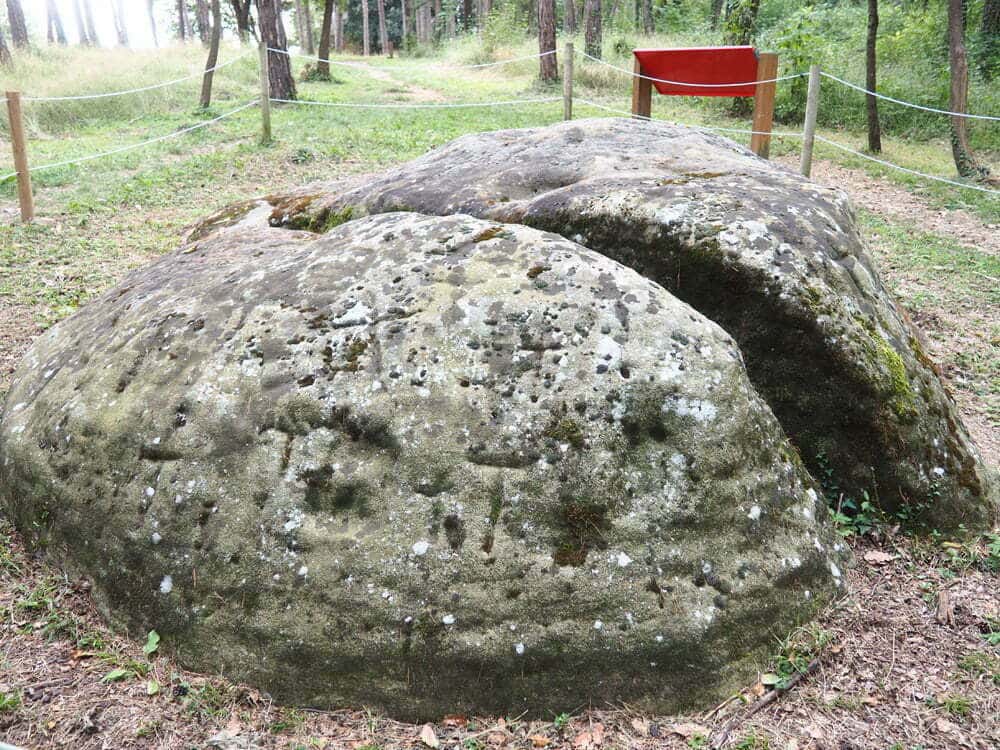
Further along, if you venture deeper into the woods, you'll find another, smaller stone called Pedra de les Bruixes (Witches' Stone ). It features rock carvings such as crosses, various circles, and other combinations that are difficult to decipher. Next to it is an information panel that explains all the details in more detail.
We continue!
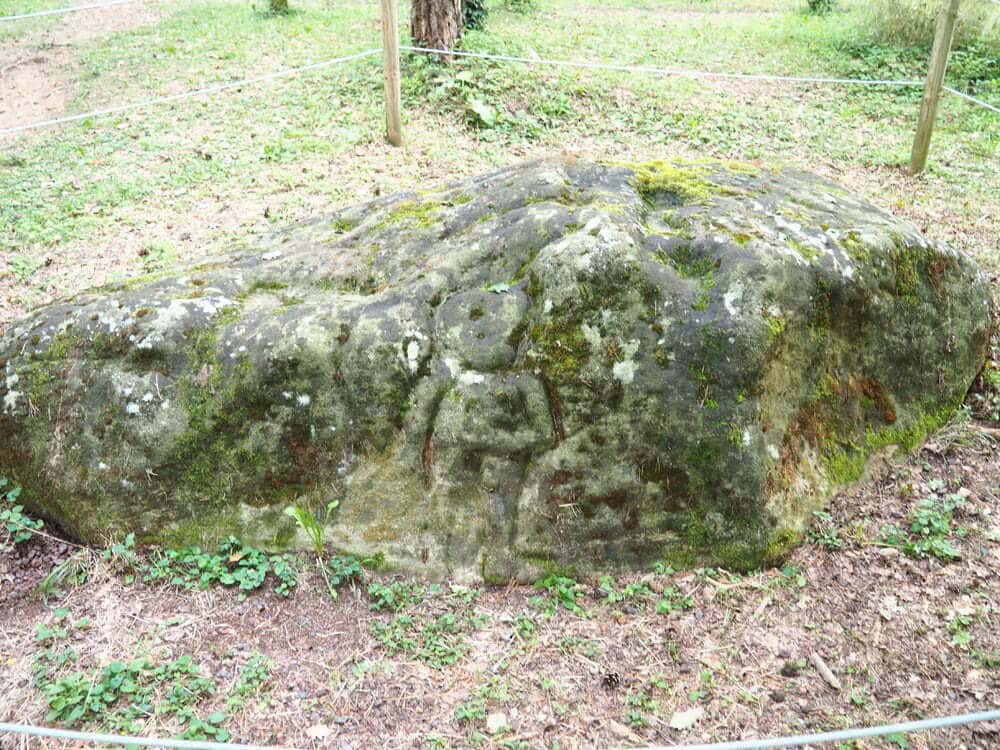
A little further on we see the Pedra del Nen or de l'Home , which depicts the anthropomorphic figure of a human body. This consists of a face with eyes and mouth, the body with arms and hands, and two small legs with large feet.
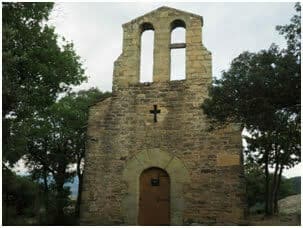
Retracing our steps to the Piedra del Dau, we head towards the Hermitage of Sant Feliuet, but along the way we'll stop to admire the Pedra del Sacrifici (Sacrifice Stone). This is one of the most important stones, weighing over 400 tons, and bones and tools have been found during excavations.
Stone of the Dau / Photo: @soulrey_
The Stone of the Bruixes / Photo: @soulrey_
La Pedra del Nen or de l'Home / Photo: @soulrey_
Stone of the Sacrifice / Photo: @soulrey_
Continuing along the path, you'll climb up a trail through the woods until you reach the top of the mountain, where you'll find the Hermitage of Sant Feliuet with its pre-Romanesque details. From this high point, you can enjoy wonderful views of Montseny, the Vic plain, the course of the Ter River, and Savassona Castle.
An idyllic spot to enjoy the sunset and finally end our route, which you can include in your motorhome trip through Catalonia.
Hermitage of Sant Feliuet / Photo: @soulrey_
Catalonia in a motorhome. You can not lose this!
We hope you liked both routes and that you are encouraged to do them. We would love to see your comments and receive your experiences!
We wanted to give a special mention to @kucavana for giving us the opportunity to participate in their blog, so don't forget to follow us both on Instagram.